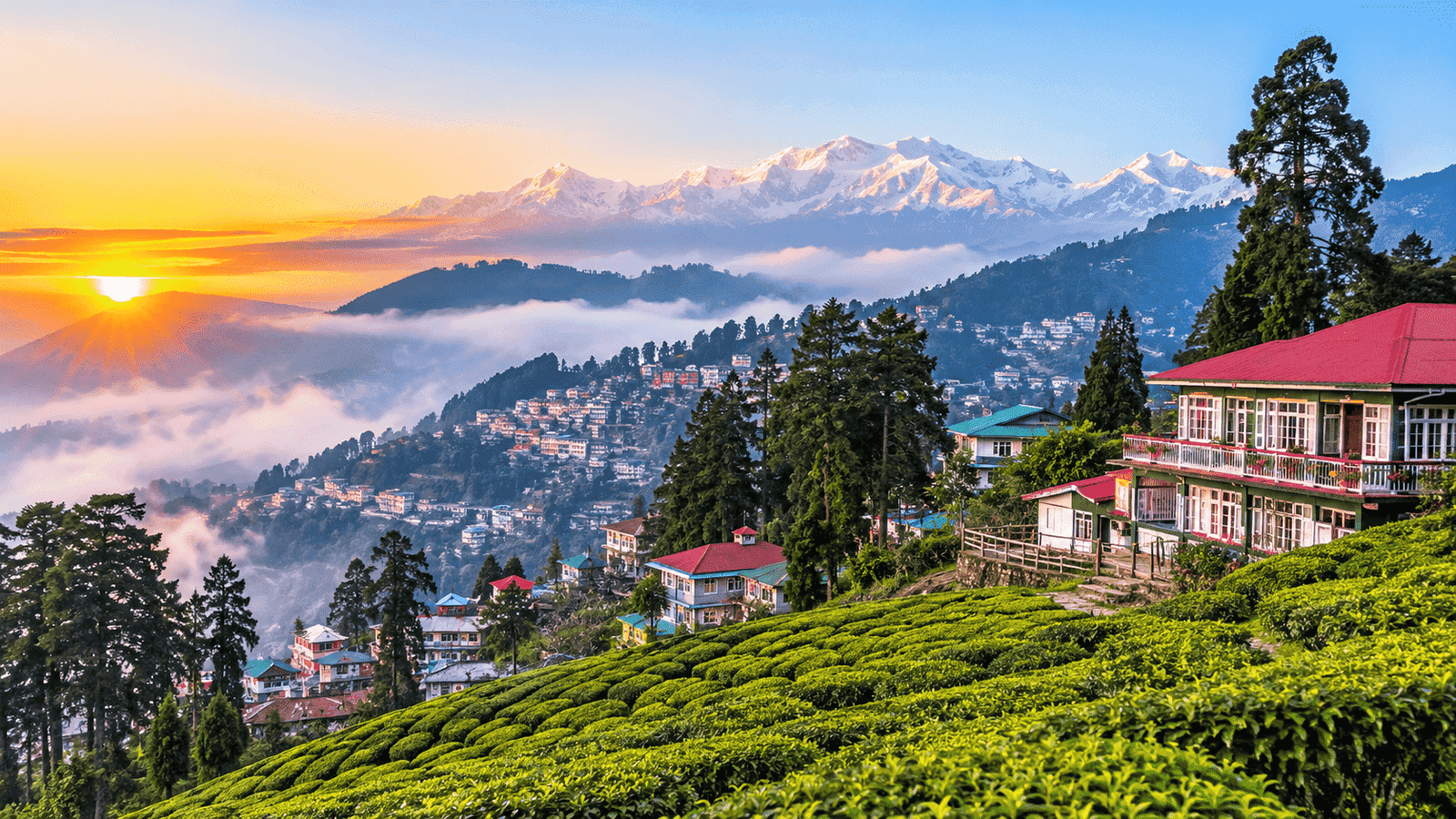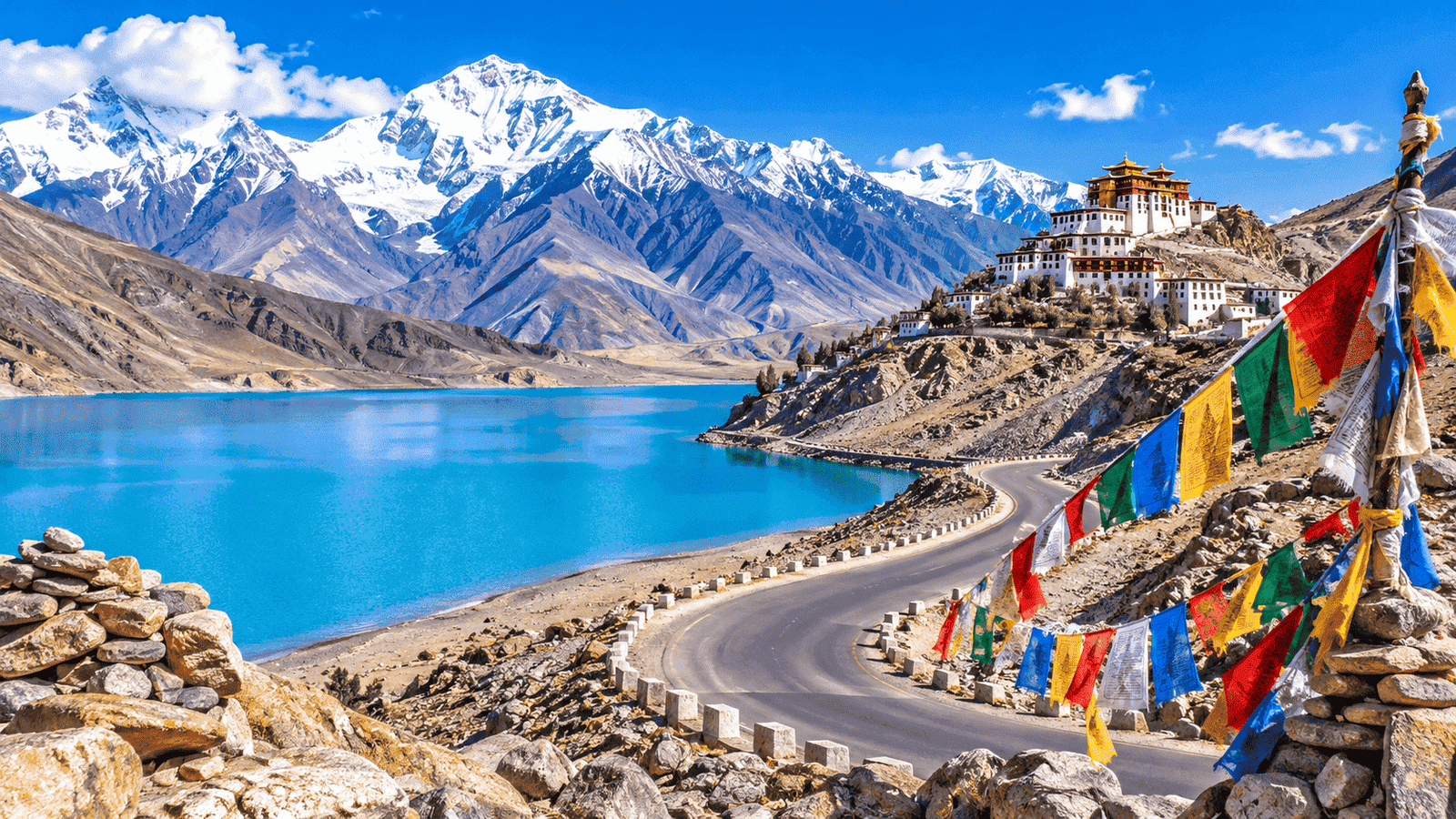
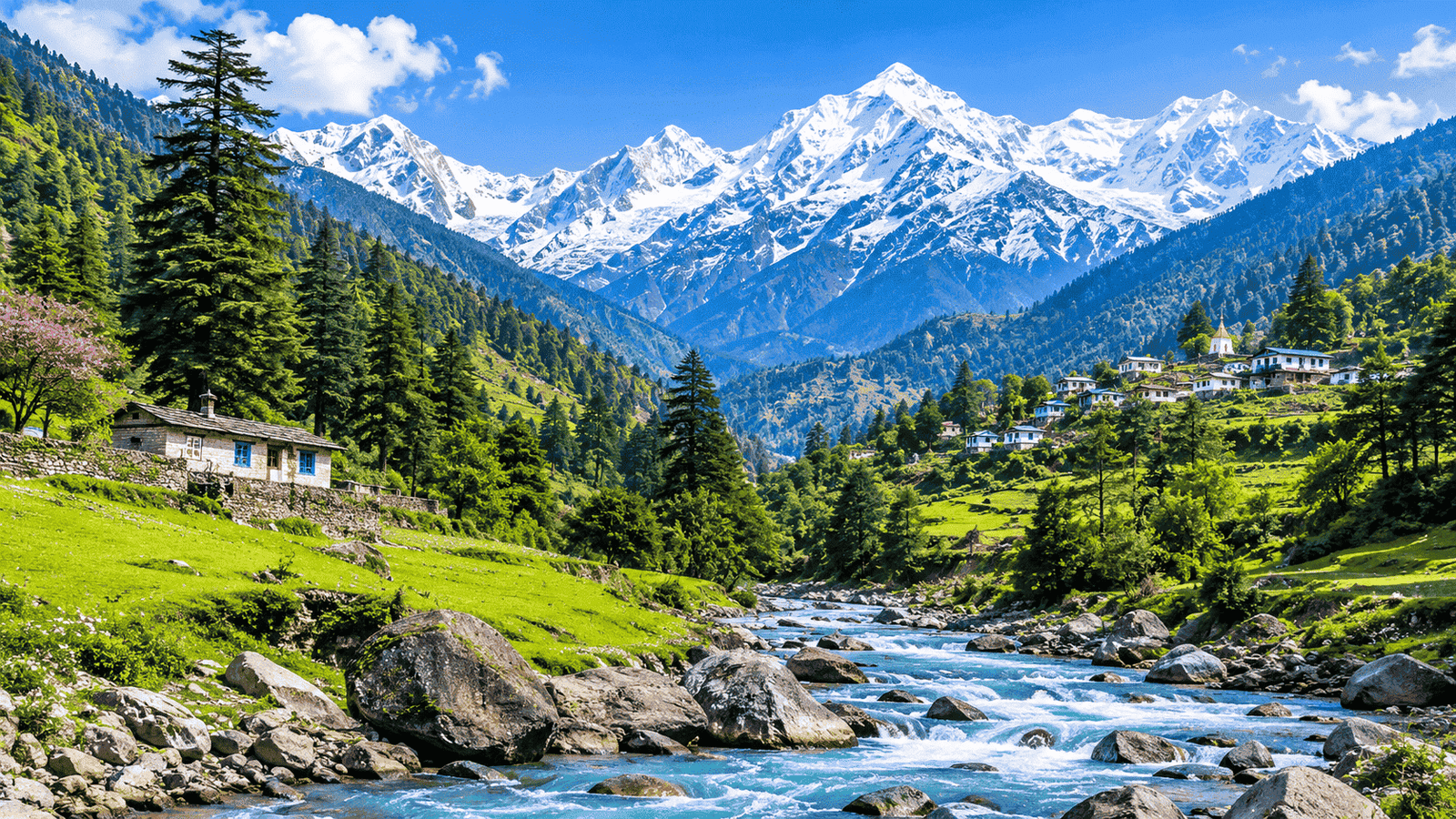
The Himalayas have a special ability to bring people closer to nature. From the sound of flowing rivers and fresh mountain air to green alpine meadows, dense forests and snow-covered peaks, every part of this magnificent landscape offers something extraordinary. Among India's most beautiful mountain regions, the Garhwal Himalayas in Uttarakhand stand out for their remarkable natural diversity, peaceful surroundings and unforgettable outdoor experiences.
The Uttarakhand Garhwal region-nature based travel experience is ideal for people who want more than conventional sightseeing. It offers opportunities to explore untouched valleys, walk through ancient forests, discover remote Himalayan villages, enjoy spectacular mountain views and experience the changing beauty of nature across different elevations.
Unlike destinations where most attractions are concentrated around one town, Garhwal offers a collection of interconnected natural landscapes. The scenery changes dramatically as travellers move from the lower Himalayan foothills towards higher mountain valleys. Pine and oak forests gradually give way to rhododendron-covered slopes, alpine grasslands, glaciers and high-altitude lakes.
Whether you are a nature photographer, trekking enthusiast, birdwatcher, adventure traveller or someone searching for a peaceful mountain escape, the Garhwal region has something worth discovering.
In this guide, we explore the best nature-based destinations, experiences, travel seasons and practical considerations for planning a memorable journey through Uttarakhand's Garhwal region.
Understanding the Natural Beauty of the Garhwal Himalayas
Garhwal forms the western part of Uttarakhand and is known for its impressive Himalayan geography. The landscape includes high mountain ranges, river valleys, glaciers, forests, waterfalls, alpine meadows and traditional mountain settlements.
One of the most interesting characteristics of Garhwal is its variety of natural environments. Travelling from the foothills towards the higher Himalayan regions feels like entering different geographical worlds.
The lower Himalayan areas feature rivers, subtropical vegetation and forest landscapes. As the elevation increases, visitors encounter oak, deodar and pine forests. Further uphill, the vegetation becomes alpine, with open grasslands, seasonal wildflowers and dramatic mountain scenery.
The region is also shaped by major Himalayan rivers, including the Bhagirathi, Alaknanda, Mandakini and Tons. Their valleys have influenced local agriculture, settlements, traditional lifestyles and tourism.
For travellers interested in nature-based tourism, this geographical diversity makes Garhwal particularly rewarding. A single trip can combine forest walks, riverside stays, meadow trekking, mountain photography and village experiences.
Best Nature-Based Destinations in the Uttarakhand Garhwal Region
Garhwal has many destinations that allow visitors to experience the Himalayan environment in different ways. Some are famous for their alpine landscapes, while others are known for forests, rivers, wildlife and remote village life.
Here are some of the most rewarding places to include in a nature-focused Garhwal itinerary.
1. Valley of Flowers – A Natural Paradise of Himalayan Wildflowers
The Valley of Flowers National Park in Chamoli district is one of the most remarkable nature destinations in Uttarakhand.
Recognised as a UNESCO World Heritage Site, this high-altitude valley is famous for its seasonal wildflowers, green landscapes, mountain streams and surrounding Himalayan peaks.
The valley sits at approximately 3,600 metres above sea level and is known for its extraordinary botanical diversity. More than 600 varieties of flowering plants have been documented in the region, including orchids, poppies, primulas, daisies and anemones.
The landscape changes throughout the flowering season. Early in the season, visitors may notice emerging vegetation and smaller patches of flowers. During the peak flowering period, the valley becomes particularly colourful, with different species appearing across the meadows.
The most rewarding period for observing abundant flowers is generally July to September, although the park's seasonal accessibility and conditions vary.
The journey usually involves travelling to Govindghat, continuing towards Ghangaria and completing the trekking section to the national park.
Why nature lovers should visit:
Experience extraordinary Himalayan wildflower diversity.
Photograph waterfalls and mountain streams.
Explore high-altitude grasslands.
Observe the changing alpine ecosystem.
Enjoy panoramic views of surrounding Himalayan peaks.
One important point is that the Valley of Flowers is a protected ecological area. Visitors should remain on designated trails and never pick flowers or disturb wildlife.
2. Chopta – Beautiful Alpine Meadows and Forest Landscapes
Chopta is one of the most attractive destinations in the Garhwal Himalayas for travellers looking for a combination of mountain meadows, forests and peaceful natural surroundings.
Located in the Rudraprayag district, Chopta is situated at approximately 2,608 metres above sea level. The destination is surrounded by green grasslands, dense forests and impressive Himalayan mountain views.
Its natural environment makes it suitable for several outdoor activities, including trekking, camping in permitted locations, birdwatching and photography.
Chopta is especially interesting because its landscape changes considerably with the seasons. During spring and summer, the meadows become green and the surrounding vegetation comes alive. During winter, snowfall can transform the area into a beautiful white mountain landscape.
Chopta is also an important starting point for the Tungnath and Chandrashila trekking experience.
The nearby forest environment supports a variety of Himalayan birds. Visitors interested in birdwatching may have opportunities to observe species such as the Himalayan monal, Himalayan griffon and other mountain birds.
Best experiences in Chopta:
Exploring the Tungnath trekking trail.
Enjoying mountain photography.
Observing Himalayan birds.
Experiencing seasonal snowfall.
Staying in local accommodation surrounded by mountain scenery.
For people who want to experience nature without planning an extremely demanding expedition, Chopta is an excellent destination to consider.
3. Deoriatal – A Peaceful Himalayan Lake Surrounded by Forests
Deoriatal is another wonderful natural destination near Chopta.
This high-altitude lake is surrounded by forests and mountains, creating a peaceful environment that attracts photographers, trekkers and nature enthusiasts.
One of its most attractive features is the mountain reflection visible on the lake's surface when the weather is clear and the water is relatively calm.
The journey to Deoriatal generally begins from Sari village. The uphill walking route provides opportunities to observe the surrounding forests, mountain vegetation and village scenery.
Unlike destinations that require several days of trekking, the approach to Deoriatal can be relatively short, making it an attractive option for travellers who want to experience a Himalayan lake without committing to a long expedition.
The destination is particularly beautiful in clear weather, during spring vegetation growth and after seasonal snowfall when conditions allow access.
What makes Deoriatal special?
The peaceful atmosphere is its biggest attraction. Early mornings offer excellent opportunities for photography, while the surrounding forests provide an enjoyable environment for slow nature walks.
Visitors should avoid littering around the lake and should follow any local restrictions on camping and other activities.
4. Auli and Gorson Bugyal – Mountain Views and Open Grasslands
Auli is widely recognised for its skiing opportunities, but its appeal extends far beyond winter tourism.
Situated at approximately 2,800 metres, Auli offers spectacular mountain views, oak forests, coniferous vegetation and access to beautiful alpine landscapes.
During the warmer months, the surrounding environment becomes greener, providing a wonderful setting for trekking and nature photography.
One of the most attractive nearby locations is Gorson Bugyal.
A bugyal is a high-altitude meadow, and Gorson Bugyal is particularly beautiful during the summer season when its open grasslands turn green.
The contrast between rolling meadow landscapes, surrounding forests and distant Himalayan peaks creates a memorable visual experience.
The nearby trails also provide opportunities to appreciate the region's natural environment at a slower pace.
Auli is a good choice for travellers who want to combine convenient accommodation, mountain scenery and accessible nature experiences.
Recommended activities:
Explore Gorson Bugyal.
Enjoy Himalayan sunrise and sunset views.
Experience seasonal snow landscapes.
Take nature walks through surrounding forests.
Enjoy mountain photography.
Explore nearby trekking routes.
Winter visitors should plan according to snow and weather conditions, while summer visitors can focus more on open meadows and forest landscapes.
5. Harsil Valley – The Beauty of Rivers, Orchards and Himalayan Villages
Harsil is one of the most peaceful destinations in the Garhwal region.
Located in Uttarkashi district along the Bhagirathi River, this beautiful Himalayan settlement is surrounded by mountains, forests, apple orchards and traditional village landscapes.
Unlike busier hill stations, Harsil offers an opportunity to enjoy a quieter mountain environment.
The river, traditional houses, pine-covered slopes and nearby villages create a distinctive Himalayan atmosphere.
The destination is particularly appealing to travellers who enjoy slow tourism. Instead of trying to visit numerous attractions in a single day, visitors can spend time walking through villages, enjoying riverside views, photographing the landscape and experiencing the local way of life.
Nearby settlements such as Dharali and Mukhwa offer additional opportunities to understand the area's traditional lifestyle and cultural heritage.
The changing seasons also influence the appearance of Harsil. Spring and early summer bring pleasant conditions and fresh vegetation, while autumn offers attractive views of the surrounding forests and orchards.
Winter can bring heavy snowfall, which may affect road accessibility.
Best nature experiences in Harsil:
Enjoy peaceful walks along the Bhagirathi valley.
Explore traditional Himalayan villages.
Photograph apple orchards.
Experience mountain forests and fresh air.
Discover nearby walking and trekking opportunities.
Enjoy a slower and more peaceful holiday.
For visitors interested in the relationship between Himalayan communities and their natural surroundings, Harsil is particularly rewarding.
6. Har Ki Dun – A Beautiful Valley for Trekking and Nature Exploration
Har Ki Dun, often called the Valley of Gods, is one of the most fascinating trekking destinations in Uttarakhand.
Located in the Uttarkashi district within the Govind Pashu Vihar protected landscape, this valley is known for its natural beauty, alpine vegetation, riverside trails and dramatic mountain surroundings.
The journey towards Har Ki Dun is as interesting as the destination itself.
The traditional trekking route passes through places such as Sankri, Taluka and Osla. During the journey, trekkers encounter forests, mountain streams, remote settlements, wooden houses and beautiful Himalayan scenery.
The village of Osla is particularly interesting for visitors who want to observe traditional mountain architecture and rural life.
As the trail progresses, the landscape gradually opens into a spectacular valley surrounded by mountain slopes and alpine vegetation.
Har Ki Dun is not simply a viewpoint. It is a destination where the experience comes from walking through the landscape and observing how the environment changes with altitude.
The trail requires physical preparation, suitable trekking equipment and responsible planning.
Why visit Har Ki Dun?
Explore a traditional Himalayan trekking route.
Experience remote mountain villages.
Walk through forests and alpine landscapes.
Enjoy beautiful mountain and valley views.
Observe Himalayan birdlife.
Experience nature away from crowded tourist centres.
Visitors should also check current forest permissions and registration requirements before starting their journey.
7. Gangotri National Park – A Landscape of Glaciers and Wilderness
Gangotri National Park is among the most impressive protected natural landscapes in the Garhwal Himalayas.
Located in Uttarkashi district, the protected region includes forests, mountain valleys, glaciers, high-altitude ecosystems and important wildlife habitats.
The park is particularly important for travellers interested in Himalayan wilderness and glacial landscapes.
It is also associated with the famous Gaumukh-Tapovan trekking route, which offers remarkable views of the surrounding mountain environment.
The Bhagirathi River originates from the Gangotri Glacier system, making this region especially important from a geographical and environmental perspective.
Wildlife associated with the wider region includes Himalayan monal, blue sheep, musk deer, Himalayan thar and snow leopard.
However, wildlife sightings should never be treated as guaranteed. These are wild animals living within a protected mountain ecosystem.
The Gaumukh-Tapovan route is a demanding high-altitude trek and should not be approached like an ordinary sightseeing walk. Proper permits, acclimatisation, an experienced trekking team and attention to weather conditions are essential.
Important highlights:
Explore magnificent high-altitude landscapes.
Experience Himalayan glaciers and mountain valleys.
Discover important wildlife habitats.
Enjoy advanced trekking experiences.
Understand the ecological importance of the upper Bhagirathi landscape.
8. Dayara Bugyal – Endless Green Meadows and Mountain Views
Dayara Bugyal is one of the most beautiful alpine meadows in the Uttarkashi region.
The word Bugyal refers to a high-altitude grassland, and Dayara offers exactly the kind of open mountain landscape that nature lovers often imagine when planning a Himalayan holiday.
The meadow extends across a large area and offers impressive views of surrounding Himalayan peaks.
The trekking route passes through forests and gradually opens into wide grasslands. During warmer months, the landscape becomes greener, while winter transforms the meadow into a snow-covered environment.
Dayara Bugyal is also attractive for visitors interested in photography, camping where permitted, mountain walks and seasonal outdoor experiences.
An important point about Dayara is that the surrounding scenery should be enjoyed responsibly. Alpine grasslands are environmentally sensitive, and unnecessary vehicle movement, littering and damage to vegetation can affect the natural ecosystem.
For travellers who want a combination of manageable trekking and beautiful Himalayan scenery, Dayara Bugyal deserves a place on their Garhwal travel list.
9. Rajaji National Park – Forests and Wildlife Near the Himalayan Foothills
The natural beauty of the Garhwal region is not limited to snow-covered mountains and high-altitude valleys.
Rajaji National Park provides a completely different nature experience.
Located near Haridwar, Rishikesh and Dehradun, Rajaji lies in the Shivalik foothills and is known for its forests, river systems and wildlife diversity.
The park is particularly associated with Asian elephants, but its wider ecosystem also supports tigers, leopards, deer and numerous bird species.
Unlike high-altitude trekking destinations, Rajaji offers opportunities to experience forest landscapes and wildlife through designated safari experiences.
It is an excellent destination for visitors interested in:
Wildlife photography.
Birdwatching.
Forest landscapes.
Elephant habitats.
Nature and biodiversity education.
Guided wildlife safaris.
Safari access depends on the designated entry zone, seasonal operating dates and forest department permissions.
Travellers should check official information before booking, particularly because the park closes during the monsoon period.
Best Nature-Based Activities to Experience in Garhwal
Garhwal offers much more than visiting scenic viewpoints. The region provides several outdoor experiences that allow visitors to understand and appreciate the Himalayan environment.
1. Himalayan Trekking
Trekking is one of the best ways to explore the natural landscapes of Garhwal.
Popular routes include:
Valley of Flowers.
Har Ki Dun.
Dayara Bugyal.
Deoriatal-Chandrashila.
Gaumukh-Tapovan.
These routes offer different levels of difficulty. Some are suitable for people with moderate hiking experience, while others require specialised preparation and experienced guides.
The right trail should be selected according to fitness, altitude, duration and weather conditions.
2. Nature Photography
The changing landscapes of Garhwal create excellent opportunities for photography.
Photographers can capture:
Snow-covered Himalayan peaks.
Forest landscapes.
Mountain rivers.
Alpine wildflowers.
Traditional villages.
Sunrise and sunset views.
Lakes and waterfalls.
Himalayan birds and wildlife.
Early morning is often particularly rewarding because the weather may be clearer and the soft natural light creates attractive mountain photography conditions.
3. Birdwatching
Garhwal is an interesting destination for birdwatchers because its forests and alpine habitats support different bird species.
Depending on the location and season, visitors may encounter Himalayan monal, various pheasants, eagles, vultures, finches and other mountain birds.
Chopta is especially known for its bird diversity.
For a better experience, carry binoculars, maintain a respectful distance and avoid disturbing birds during nesting periods.
4. Village Tourism and Local Experiences
The natural environment of Garhwal is closely connected with its traditional villages.
Visitors can explore local settlements, interact with residents, experience traditional food and understand how mountain communities manage everyday life in difficult geographical conditions.
Village tourism also creates opportunities for local homestays, guides and small businesses.
Supporting responsible local tourism can help communities benefit directly from visitors while encouraging the preservation of cultural and natural heritage.
5. Riverside Experiences
Rivers are an important part of the Garhwal landscape.
The Bhagirathi, Alaknanda and other mountain rivers create beautiful valleys and support local ecosystems.
Visitors can enjoy designated riverside viewpoints, photography and peaceful walks.
However, mountain rivers can become dangerous very quickly, particularly during heavy rainfall. Avoid entering fast-flowing water or approaching unstable riverbanks.
Best Time to Visit the Uttarakhand Garhwal Region for Nature-Based Tourism
Choosing the right travel season can significantly influence the quality of a Garhwal nature holiday.
The region experiences different weather conditions depending on altitude and geographical location. A destination suitable for summer trekking may be inaccessible during heavy snowfall.
Here is a seasonal breakdown.
March to April – Spring Landscapes
Spring is a wonderful period for exploring lower and middle-altitude Garhwal destinations.
Forests begin to show fresh vegetation, and rhododendron flowers add colour to several mountain landscapes.
This is a good season for forest walks, village tourism and selected trekking experiences, depending on the local weather.
May to June – Pleasant Mountain Exploration
May and June are generally popular for nature-based trips.
Many mountain destinations offer pleasant daytime conditions, and several trekking routes become accessible.
This period is suitable for exploring:
Chopta.
Deoriatal.
Harsil.
Auli.
Selected alpine meadows.
Himalayan village destinations.
However, high-altitude trails can still have snow, so checking actual route conditions is important.
July to August – Green Landscapes and Wildflowers
The monsoon season brings intense greenery to many parts of Garhwal.
Waterfalls become more active, forests appear fresh and the Valley of Flowers enters its colourful flowering period.
However, this is also a season when heavy rainfall can create road disruptions, landslides, flash floods and dangerous river conditions.
Travellers should not choose a monsoon itinerary based only on photographs of green mountains. Weather forecasts, road conditions and official travel advisories should guide the final decision.
September to October – Clear Views and Autumn Beauty
For many nature travellers, September and October are excellent months for exploring Garhwal.
After the monsoon, visibility can improve, and mountain views may become more spectacular when the weather is stable.
This is a rewarding period for photography, selected trekking routes, village experiences and exploring destinations such as Harsil and Har Ki Dun.
November to February – Winter Landscapes
Winter changes the character of Garhwal.
Several high-altitude destinations receive snowfall, and Auli becomes particularly attractive for snow-related experiences.
Chopta and other mountain areas can also offer beautiful winter landscapes.
However, heavy snowfall, freezing temperatures and road closures can affect travel plans. Certain trekking routes become difficult or unsuitable without specialised winter equipment and experienced support.
Suggested Nature-Based Travel Itineraries in Garhwal
A well-planned itinerary is essential because mountain distances and driving times can be misleading.
A journey that appears short on a map may require several hours because of winding roads and changing road conditions.
The following itineraries provide a starting point.
Itinerary 1: Chopta, Deoriatal and Auli – 5 to 6 Days
Day 1: Arrive in Rishikesh or Dehradun and travel towards the Rudraprayag region.
Day 2: Continue towards Chopta and explore the surrounding natural landscape.
Day 3: Visit Tungnath, subject to seasonal accessibility and weather conditions.
Day 4: Explore Deoriatal and enjoy the surrounding forest scenery.
Day 5: Travel towards Auli and explore the mountain viewpoints.
Day 6: Return towards Rishikesh or Dehradun.
This itinerary is suitable for travellers interested in scenic mountain destinations, forests, meadows and moderate outdoor activities.
Itinerary 2: Valley of Flowers and Auli – 7 to 8 Days
Day 1: Arrive at Rishikesh and travel towards Joshimath.
Day 2: Continue to Govindghat and prepare for the trekking section.
Day 3: Trek towards Ghangaria.
Day 4: Explore the Valley of Flowers National Park.
Day 5: Optional visit to Hemkund Sahib, subject to seasonal opening, physical fitness and weather conditions.
Day 6: Return towards Govindghat.
Day 7: Travel towards Auli.
Day 8: Enjoy the mountain scenery and return towards the departure point.
This itinerary is suitable for travellers who want to combine alpine flowers, trekking, mountain scenery and nature photography.
Itinerary 3: Harsil, Uttarkashi and Dayara Bugyal – 6 to 7 Days
Day 1: Arrive in Dehradun and travel towards Uttarkashi.
Day 2: Explore Uttarkashi and its surrounding natural environment.
Day 3: Travel towards Harsil and enjoy the Bhagirathi valley.
Day 4: Explore nearby villages and mountain landscapes.
Day 5: Travel towards Raithal or Barsu for the Dayara Bugyal experience.
Day 6: Explore the meadow through an appropriate trekking route.
Day 7: Return towards Dehradun.
This itinerary is particularly suitable for travellers who prefer quieter mountain settlements, forest walks and alpine meadow landscapes.
All these itineraries should be adjusted according to weather, permits, road conditions, trekking ability and seasonal accessibility.
Responsible and Sustainable Nature Tourism in Garhwal
The natural beauty of Garhwal is also its most valuable resource.
As tourism grows, protecting the environment becomes increasingly important.
High-altitude meadows, forests, rivers and wildlife habitats are sensitive ecosystems. Even relatively small amounts of littering, off-trail movement and irresponsible camping can create lasting environmental problems.
Responsible tourism should therefore be an essential part of every Garhwal travel plan.
Here are some important practices.
Avoid Plastic Waste
Carry reusable water bottles and avoid leaving plastic packaging, food wrappers or other waste in mountain areas.
Always take your waste back to designated disposal facilities.
Respect Wildlife
Never feed wild animals, chase birds or attempt to take close-up photographs by disturbing their natural behaviour.
Wildlife should be observed from a safe and respectful distance.
Follow Designated Trekking Routes
Do not create shortcuts across fragile alpine grasslands or protected forest areas.
Stick to designated paths and follow instructions from authorised guides and forest officials.
Support Local Communities
Choose responsible local homestays, trained guides, local transport providers and small businesses.
This helps distribute tourism income within mountain communities.
Respect Local Culture
Garhwal has a rich cultural heritage and traditional way of life.
Visitors should respect village customs, private property, religious traditions and local environmental practices.
Avoid Unsafe Riverside Activities
Mountain rivers can change rapidly during heavy rainfall.
Never camp in vulnerable riverbeds or attempt to cross fast-flowing water without appropriate professional guidance.
Travel Tips for Planning a Nature Holiday in Garhwal
Before travelling to Garhwal, it is worth considering a few practical points.
1. Plan According to Altitude: High-altitude destinations require gradual acclimatisation. Avoid rushing from low elevations to challenging trekking routes.
2. Carry Proper Clothing: Even during summer, high-altitude areas can become cold. Carry warm layers, waterproof clothing and suitable trekking footwear.
3. Check Permits: Certain protected areas and trekking routes require registration or forest permissions. Check the latest requirements before departure.
4. Book Accommodation Early: Popular places can experience high demand during holidays and peak travel seasons.
5. Keep Travel Flexibility: Mountain weather and road conditions can change unexpectedly. Keep buffer days in your itinerary.
6. Carry Essential Medicines: Bring personal medicines, basic first-aid supplies and any necessary altitude-related medical advice from a qualified professional.
7. Hire Experienced Guides: For challenging treks and remote mountain routes, experienced local guides can significantly improve safety and understanding of the region.
8. Check Official Updates: Consult the Uttarakhand Tourism Department, local administration and forest authorities for current weather, route access, permits and safety information.
Why Choose the Garhwal Region for a Nature-Based Holiday?
The Garhwal Himalayas offer a combination of natural beauty and authentic mountain experiences that is difficult to find in many conventional tourist destinations.
The region is suitable for different types of travellers.
Nature enthusiasts can discover alpine vegetation, mountain rivers and dense forests.
Adventure travellers can explore trekking routes and high-altitude meadows.
Photographers can capture spectacular landscapes, changing weather and traditional mountain villages.
Families and leisure travellers can enjoy peaceful stays in scenic destinations, depending on accessibility and accommodation availability.
Travellers interested in rural tourism can understand the relationship between mountain communities, agriculture, forests and local traditions.
Most importantly, Garhwal gives visitors an opportunity to slow down and appreciate their surroundings.
Instead of rushing from one attraction to another, travellers can spend time listening to flowing rivers, walking through forests, observing changing mountain weather and experiencing the peaceful rhythm of Himalayan village life.
That is what makes the Uttarakhand Garhwal region particularly special for nature-based tourism.
Conclusion
The Uttarakhand Garhwal region-nature based travel experience represents one of the most rewarding ways to explore the Indian Himalayas.
From the spectacular wildflower landscapes of the Valley of Flowers and the open meadows of Chopta to the peaceful surroundings of Deoriatal, the forest landscapes of Rajaji and the traditional villages of Harsil, Garhwal offers an incredible variety of natural experiences.
Every destination has its own geographical character, seasonal charm and travel opportunities.
The best way to explore the region is to choose destinations according to your interests, travel season, fitness level and available time.
Whether you are planning a peaceful mountain holiday, an adventurous trekking expedition or a photography-focused journey, Garhwal offers memorable experiences throughout its diverse Himalayan landscapes.
However, the real value of this region lies beyond its scenic views. Its forests, rivers, meadows, wildlife and traditional communities form a delicate natural and cultural environment that deserves protection.
Travel responsibly, support local communities and leave every natural place as beautiful as you found it.
Frequently Asked Questions (FAQs)1. What makes the Uttarakhand Garhwal region suitable for nature-based tourism?
The Garhwal region offers diverse natural landscapes, including Himalayan mountains, alpine meadows, dense forests, rivers, glaciers, lakes and wildlife habitats. These environments provide opportunities for trekking, birdwatching, photography, village tourism and peaceful mountain holidays.
2. Which are the best nature-based destinations in Garhwal?
Some of the best destinations include the Valley of Flowers, Chopta, Deoriatal, Auli, Gorson Bugyal, Harsil, Har Ki Dun, Dayara Bugyal, Gangotri National Park and Rajaji National Park.
3. What is the best time to visit Garhwal for nature lovers?
May to June and September to October are generally suitable for many nature-focused journeys. July to September offers excellent wildflower viewing opportunities in the Valley of Flowers, but it is also the monsoon period and requires extra attention to travel safety.
4. Is Garhwal suitable for family nature holidays?
Yes. Destinations such as Auli, Harsil and selected areas around Chopta can offer enjoyable nature experiences for families. However, high-altitude treks and remote locations should be selected according to the fitness, age and health of family members.
5. Which places in Garhwal are best for trekking?
Popular trekking destinations include Har Ki Dun, Valley of Flowers, Dayara Bugyal, Deoriatal-Chandrashila and Gaumukh-Tapovan. Trek difficulty varies, so travellers should select routes according to their experience and physical fitness.
6. Can visitors experience wildlife in the Garhwal region?
Yes. The region includes important protected landscapes such as Gangotri National Park, Govind National Park, Kedarnath Wildlife Sanctuary and Rajaji National Park. Visitors may explore designated wildlife and birdwatching areas, although sightings of particular animals are never guaranteed.
7. Is the Garhwal region suitable for eco-tourism?
Yes. Garhwal is particularly suitable for responsible eco-tourism because visitors can experience nature through local homestays, guided walks, trekking, wildlife observation and village tourism. Choosing environmentally responsible activities helps support conservation and local communities.
8. How many days are needed to explore the Garhwal region?
A short nature-focused holiday can take around 5 to 6 days, while a more comprehensive journey may require 8 to 12 days or longer. The ideal duration depends on the selected destinations, trekking requirements and road conditions.
9. What should travellers carry for a nature-based Garhwal trip?
Travellers should carry comfortable trekking footwear, warm clothing, waterproof jackets, reusable water bottles, personal medication, basic first-aid supplies, sun protection and appropriate trekking equipment. High-altitude expeditions may require additional specialised equipment.
10. How can tourists practise responsible tourism in Garhwal?
Visitors should avoid littering, respect wildlife, remain on designated trekking routes, follow forest rules, avoid damaging alpine vegetation and support local communities through responsible accommodation and guided experiences.