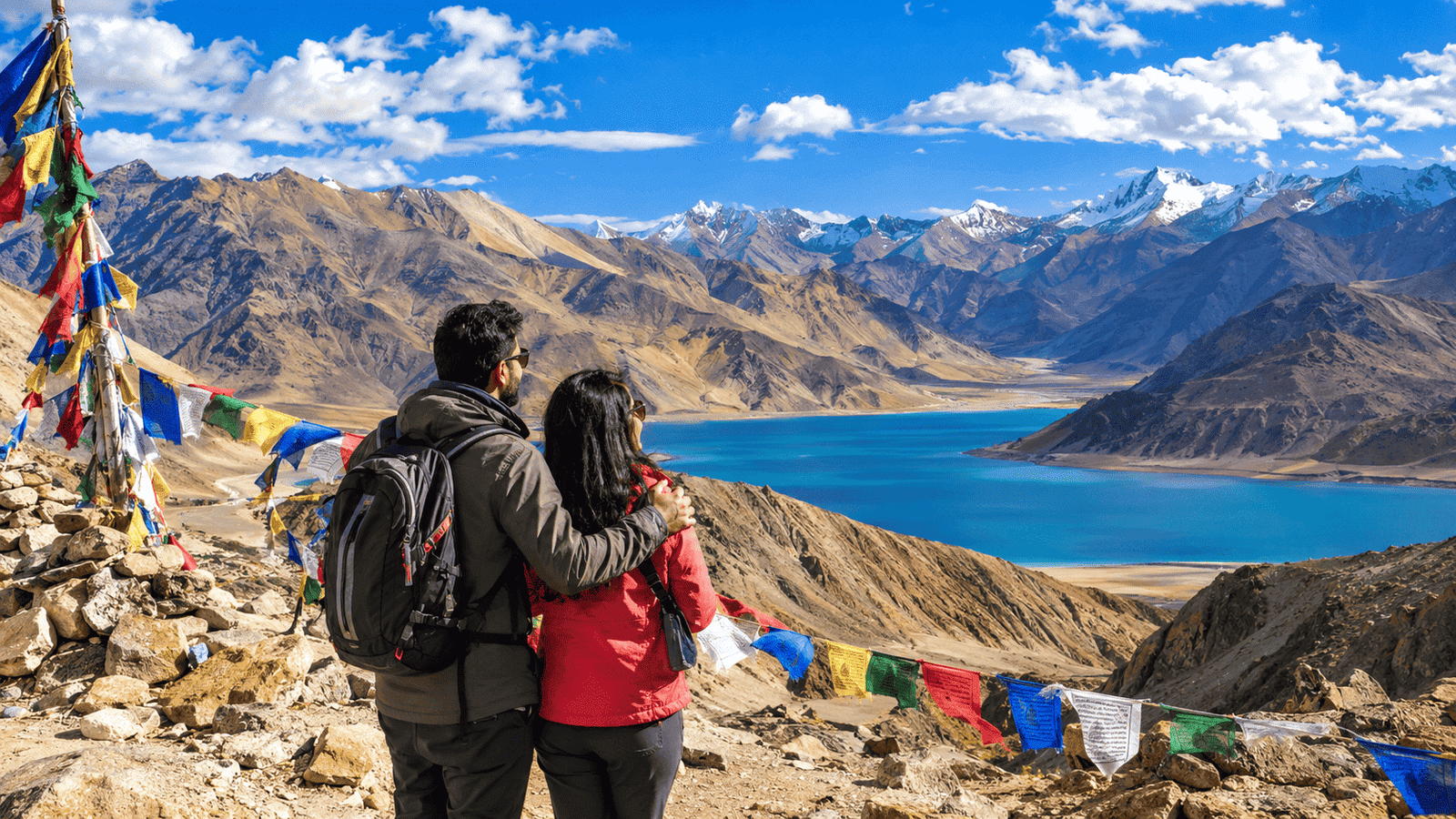
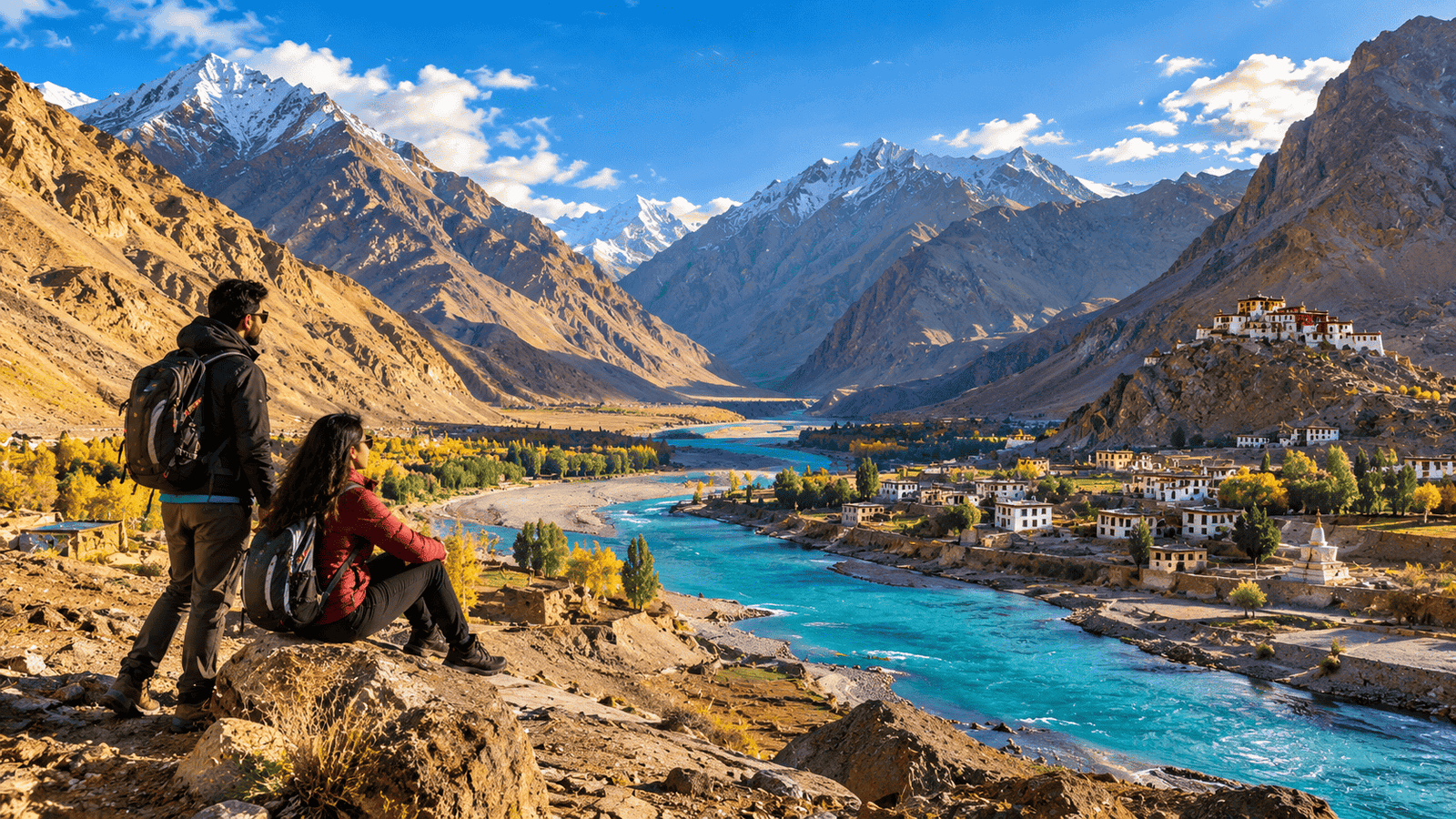
Zanskar Valley is one of the most spectacular and fascinating regions of Ladakh. Surrounded by towering Himalayan mountains, deep gorges, high mountain passes, ancient Buddhist monasteries and dramatic rivers, Zanskar offers a much more remote travel experience than many of the better-known destinations in Ladakh.
But planning a successful Zanskar Valley tour depends heavily on choosing the right season.
So, what is the best time to visit Zanskar Valley?
For most travellers, June to September is the best time to visit Zanskar Valley for a conventional road trip, sightseeing holiday, photography tour and exploration of monasteries and villages. Summer and early autumn generally provide the most practical conditions for reaching the valley by road and exploring its major attractions.
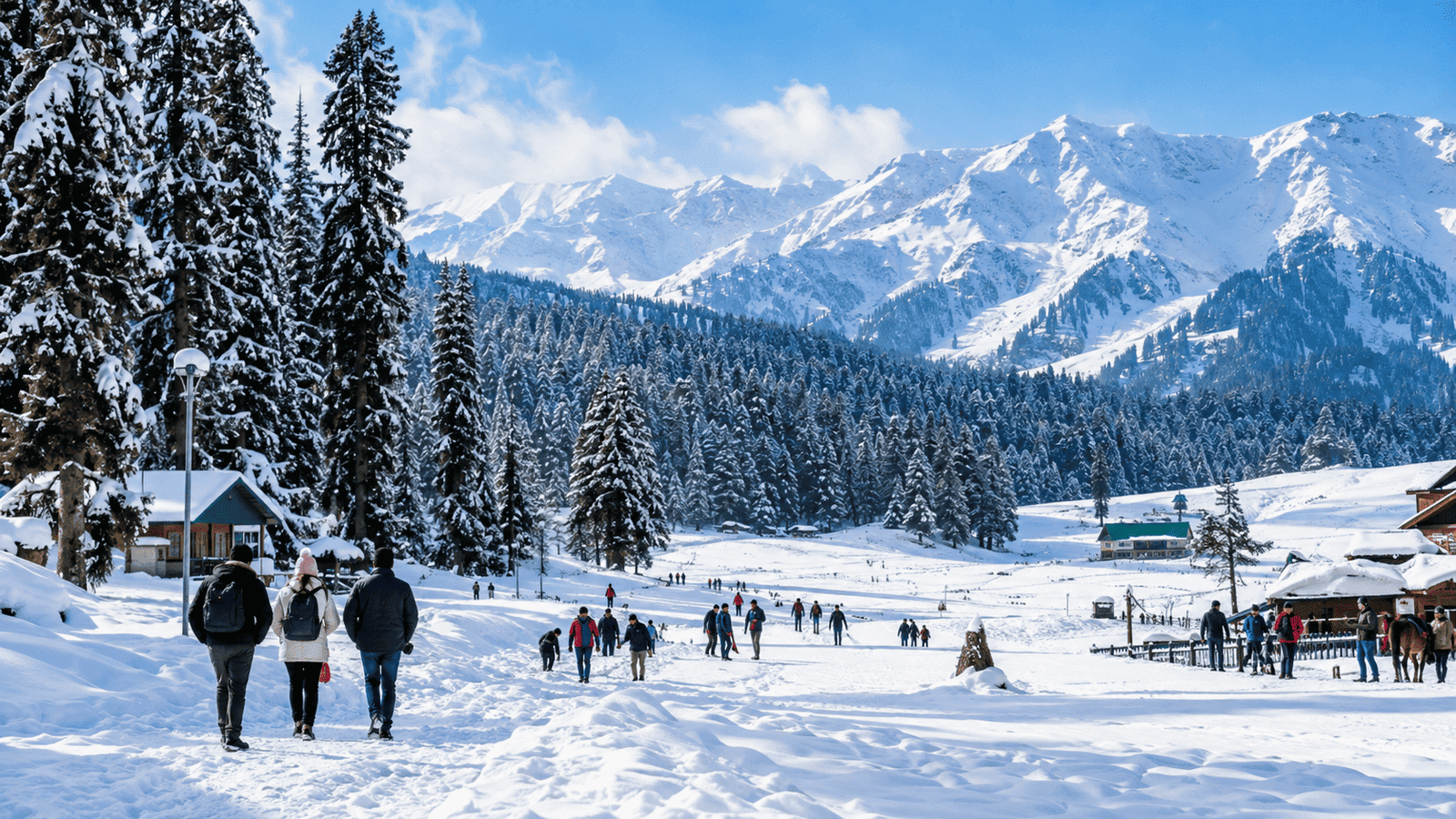
However, Zanskar is a destination with very different seasonal personalities. Spring can bring snow-melt landscapes, summer offers accessible roads and green agricultural valleys, September can provide spectacular autumn scenery and cultural experiences, while winter transforms the region into an extraordinary frozen Himalayan world.
The official Ladakh administration describes Zanskar as a remote high-altitude region with seasonal access historically affected by snow closure at Pensi La. Padum, the administrative centre and only town of Zanskar, sits at an elevation of approximately 3,657 metres.
This guide explains the best time to visit Zanskar Valley tour, month by month, so you can choose the ideal season according to your travel plans.
Why Choosing the Right Time for a Zanskar Valley Tour Matters
Zanskar is not a destination where the calendar alone determines your travel experience. Weather, snowfall, road conditions, altitude and mountain accessibility can all affect your itinerary.
The Kargil–Zanskar road crosses Pensi La, at approximately 4,401–4,450 metres, and the official Ladakh administration notes that Zanskar has historically remained cut off for much of the year because of the seasonal blockade of this high pass.
Road connectivity is improving rapidly. The Padum–Darcha road has been progressively opened and improved, while major work on the Nimmu–Padum–Darcha corridor has been underway to improve connectivity between Zanskar, Leh and Himachal Pradesh. Official updates in 2025 and 2026 show continuing road construction and maintenance activity.
That means travel conditions can change from one season to another, and even from one year to the next.
For this reason, travellers should always check the latest road, weather and local administration advisories before starting a Zanskar Valley tour.
Best Time to Visit Zanskar Valley at a Glance
For the majority of visitors, June to September remains the strongest overall window for a conventional Zanskar Valley tour.
Zanskar Valley in March and April
March and April are still firmly within the winter-to-spring transition period.
During this time, snow remains an important part of the landscape, and many high-altitude routes may not have the same accessibility as they do during the summer season.
This is not normally the first choice for travellers wanting a standard road-trip holiday through Zanskar. However, photographers and experienced adventure travellers may find the dramatic snow-covered mountains extremely attractive.
Why Visit Zanskar in Spring?
Spring can be appealing for:
Snow-covered Himalayan landscapes
Landscape photography
Quiet surroundings
Winter-to-spring scenery
Experiencing a less commercial side of Ladakh
The major consideration is accessibility. High passes and remote roads can remain affected by snow, and normal tourist services may be more limited than during the summer season.
Therefore, March and April are better suited to travellers with flexible plans and experience with high-altitude conditions.
Zanskar Valley in May
May represents a transition toward the main travel season.
Temperatures begin to improve, but conditions at high elevations can remain unpredictable. The status of the Kargil–Zanskar road and other routes should be checked immediately before travel.
The historical importance of Pensi La to access into Zanskar means that road opening and closure conditions have always played a major role in determining when travellers can reach the valley.
Is May a Good Time to Visit Zanskar Valley?
May can be a good choice for adventurous travellers who want:
Fewer tourists
Fresh mountain landscapes
Cooler temperatures
Early-season road travel
Photography opportunities
However, travellers looking for the highest chance of a straightforward sightseeing itinerary should generally prefer June onward.
Zanskar Valley in June
June is one of the best months to visit Zanskar Valley.
The main tourist season is beginning, road access is generally more favourable than during spring, and the landscapes become increasingly vibrant as the valley's agricultural areas turn green.
Padum becomes a useful base for exploring nearby cultural and natural attractions. The official Ladakh administration identifies attractions around Zanskar including Bardan Monastery, Phuktal Gompa and Zangkul Gompa.
Why June Is Excellent for a Zanskar Tour
June is especially suitable for:
Road trips: Mountain roads become more practical for long-distance exploration.
Motorcycle tours: Adventure riders can explore Zanskar's dramatic mountain terrain.
Monastery tours: Visit historic Buddhist monasteries and cultural sites.
Trekking: Many summer trekking routes become more practical as snow recedes.
Photography: Clear mountain scenery combines beautifully with the increasingly green valley floor.
For travellers visiting Zanskar for the first time, June is one of the safest recommendations within the main travel season.
Zanskar Valley in July and AugustJuly and August are among the most popular months for a Zanskar Valley tour.
During these months, travellers can enjoy dramatic mountain scenery, green valley floors, rivers, villages and monasteries. The contrast between the barren Himalayan mountains and cultivated valley settlements makes summer especially attractive for photographers.
Zanskar's tourism potential is increasingly receiving attention from the Ladakh administration, particularly for trekking, rafting, cultural tourism and its Buddhist heritage.
Best Things to Do in Zanskar During July and August
A summer itinerary can include:
Padum sightseeing
Bardan Monastery
Karsha Monastery
Phuktal Monastery
Zangla
Pensi La
Drang-Drung Glacier
Scenic mountain drives
Trekking
Photography
Local cultural experiences
Road conditions can still change because of rainfall, landslides, snowfall at high elevations or road maintenance. Travellers should not treat a published itinerary as a guarantee of access.
Zanskar Valley in September
September is arguably one of the best times to visit Zanskar Valley.
The peak summer rush begins to decline, while the landscapes can develop beautiful autumn colours. Clear mountain views and cooler conditions are highly attractive for photographers and travellers seeking a peaceful Himalayan experience.
September is also particularly interesting from a cultural perspective.
The Ladakh Zanskar Festival became part of the UT Administration's wider tourism calendar, and the 2026 edition was held on September 15–16. The administration described the festival as a celebration of Zanskar's culture, traditions, crafts and local identity.
Festival dates can change each year, so check the current official calendar before planning your trip around the event.
Why Choose September?
September is ideal for:
Landscape photography
Motorcycle tours
Scenic road trips
Cultural tourism
Monastery visits
Local festivals
Fewer crowds
Clear Himalayan views
For many travellers, June–September provides the best overall combination for a Zanskar Valley tour, with September offering one of the most beautiful experiences.
Zanskar Valley in October
October brings the beginning of a noticeable seasonal transition.
The days can still offer beautiful mountain scenery, but temperatures drop significantly, especially in the morning and evening. High-altitude routes become increasingly sensitive to weather conditions.
For travellers who enjoy quieter destinations, October may offer an attractive experience, but the itinerary needs greater flexibility.
October Is Best For
Photography
Monastery exploration
Quiet travel
Cultural experiences
Autumn landscapes
Experienced road trippers
As winter approaches, always confirm route accessibility with local authorities or trusted local operators before departing for remote areas.
Zanskar Valley in November to February
Winter is a completely different experience.
Very low temperatures and snow can make conventional road-based sightseeing difficult. Rather than being a typical holiday season, winter in Zanskar is better suited to specialised adventure experiences.
The famous Chadar Trek is one of the region's most iconic winter experiences, associated with trekking over the frozen Zanskar River. The Ladakh administration has historically described the Chadar Trek as a winter tourism activity generally taking place around January and February, while routes and operating conditions can be modified according to safety and infrastructure requirements.
Why Visit Zanskar in Winter?
Winter attracts travellers interested in:
Frozen landscapes: Snow and ice create scenery that looks completely different from summer.
Chadar Trek: One of the most unusual Himalayan trekking experiences.
Photography: Frozen rivers, snow-covered mountains and isolated villages create dramatic images.
Adventure: Winter Zanskar is suited to people seeking an experience far beyond conventional sightseeing.
This is not the season for casual travellers. Extreme cold, altitude and changing ice conditions require specialised preparation and experienced local support.
Best Time to Visit Zanskar Valley for a Road Trip
For a conventional Zanskar Valley road trip, June to September is the most practical recommendation.
A typical route may involve travelling from Kargil toward Padum through the Suru Valley and Pensi La, depending on current road conditions and the itinerary chosen.
The official Ladakh administration lists the Kargil–Zanskar road at around 250 km and identifies Padum as the main administrative centre of Zanskar.
The newer connectivity projects are also changing the way travellers can approach Zanskar. Official reports show continued work on the Nimmu–Padum–Darcha corridor and improvements to Zanskar's road infrastructure.
Because infrastructure is evolving, road-trip information should always be checked against the latest local updates.
Best Places to See on a Zanskar Valley Tour
Zanskar is much more than a scenic mountain valley. Its cultural landscape is one of its greatest attractions.
Padum
Padum is the administrative centre and main town of Zanskar. It is an important base for exploring surrounding villages, monasteries and trekking routes. The official Ladakh Heliservice describes Padum as the starting point for several treks in the region.
Bardan Monastery
Bardan Monastery is located near Padum and is dramatically positioned above the river. The monastery is an important Buddhist cultural site within Zanskar.
Phuktal Monastery
Phuktal, one of Zanskar's most remarkable monasteries, is built into a dramatic mountain setting in the Lungnak Valley. The official Ladakh administration identifies it as one of the region's notable cave monasteries.
Zangla
Zangla is known for its historical and cultural significance and is an excellent addition to a Zanskar Valley itinerary.
Pensi La and Drang-Drung Glacier
Pensi La is one of the defining mountain passes on the traditional Kargil–Zanskar route, while the Drang-Drung Glacier is one of the region's iconic high-altitude landscapes. The official Ladakh Zanskar tourism information highlights both Pensi La and Drang-Drung among the region's key destinations.
Best Time to Visit Zanskar Valley for TrekkingIf trekking is your priority, June to September is generally the most practical summer period for many Zanskar routes.
The valley has considerable trekking potential, and the Ladakh administration has specifically highlighted trekking and adventure tourism as part of Zanskar's growing tourism appeal.
Popular trekking experiences can vary considerably in difficulty, altitude and duration.
Before booking a trek, consider:
Your physical fitness
Altitude gain
Current trail conditions
Weather
Local guide availability
Emergency access
Accommodation and camping facilities
Winter trekking is a completely different category and should only be undertaken with experienced operators and appropriate equipment.
Best Time to Visit Zanskar Valley for Photography
For photographers, the answer depends on the style of images you want.
June to August: Best for green valley floors, rivers, dramatic clouds and contrasting landscapes.
September: Excellent for golden landscapes and crisp mountain scenery.
October: Beautiful autumn atmosphere with colder, clearer conditions.
Winter: Best for dramatic snow and frozen river photography.
The official Ladakh tourism platform promotes autumn in Ladakh for golden landscapes, clear skies and photography, while Zanskar's tourism material highlights its changing seasonal fields and dramatic glacier scenery.
Best Time to Visit Zanskar Valley for Families
Families generally should prefer June to September, when travel is more practical and accommodation and transportation options are easier to organise.
However, Zanskar remains a high-altitude destination. Padum itself is around 3,657 metres above sea level, so acclimatization should be considered when building your itinerary.
A family itinerary should not be rushed. Keep the schedule flexible and allow sufficient time for rest, especially after arriving in the wider Ladakh region.
For young children, elderly travellers or anyone with altitude-related concerns, medical advice before travel can be appropriate.
How Many Days Are Enough for a Zanskar Valley Tour?
A good Zanskar itinerary usually deserves at least 5–7 days dedicated to the region, depending on your starting point and the number of attractions you want to include.
A longer trip can combine Zanskar with:
Leh → Kargil/Suru Valley → Zanskar → Padum → return through an alternative route, subject to current road access
Travellers who want to include trekking should add additional days rather than trying to fit a trek into a rushed sightseeing itinerary.
The most important rule is simple: do not treat Zanskar like a short city break. Mountain travel requires flexibility.
What to Pack for a Zanskar Valley Tour
Your packing requirements depend strongly on your travel month.
For summer, carry:
Warm layers
Windproof jacket
Comfortable trekking shoes
Sunglasses
Sunscreen
Lip balm and moisturizer
Reusable water bottle
Personal medicines
Basic first-aid kit
Power bank
Gloves and woollen cap
For autumn, increase the number of warm layers because temperatures can fall quickly after sunset.
For winter, specialised insulated clothing, thermal layers, warm boots, gloves and other extreme-cold equipment are essential.
Important High-Altitude Travel Tips
Zanskar is beautiful, but it is also demanding.
Padum's elevation is approximately 3,657 metres, and many surrounding destinations are significantly higher.
Give your body time to adjust to the altitude and avoid excessive physical activity immediately after reaching a high-altitude destination.
Travellers should also monitor symptoms such as unusual headache, nausea, dizziness, fatigue or breathing difficulty. Serious or worsening symptoms require medical attention rather than simply continuing the journey.
Always carry sufficient water and protect yourself from strong sun exposure. Mountain weather can change rapidly even during the main travel season.
Zanskar Valley Travel: Responsible Tourism Matters
Zanskar is gaining popularity, but much of its appeal comes from its relatively remote character.
Travellers can help protect the destination by:
Avoiding single-use plastic wherever possible
Carrying waste back with them
Respecting monasteries and religious traditions
Asking permission before photographing local people
Supporting local homestays and businesses
Avoiding damage to fragile landscapes
Following designated trekking and road routes
The Ladakh Tourism Department has recently expanded tourist information infrastructure in Zanskar, including destination maps and information boards at places such as Gonbo Rangjon, Phuktal, Zangla, Karsha, Drang-Drung and Penzila, with an emphasis on informed and responsible tourism.
Month-by-Month Zanskar Valley Travel Guide
Best overall period: June to September
Best for photography: September–October
Best for summer road trips: June–August
Best for winter adventure: January–February
So, What Is the Best Time to Visit Zanskar Valley Tour?
For travellers planning a classic Zanskar Valley tour, June to September is the best overall travel window.
Among these months, June and July are excellent for road trips and adventure activities, August provides classic summer landscapes, and September stands out for photography, cultural experiences and comparatively peaceful travel.
However, there is no single perfect month for everyone.
Choose June–September for the easiest conventional Zanskar experience.
Choose September–October for photography and autumn landscapes.
Choose January–February for specialised winter experiences such as the Chadar Trek, provided the trek is officially operating and conditions are considered safe.
Zanskar is also evolving as a destination. Improved road connectivity, new tourism infrastructure and increasing official promotion are making the region more accessible while highlighting its cultural and natural heritage.
Frequently Asked Questions About the Best Time to Visit Zanskar Valley
1. What is the best time to visit Zanskar Valley?
The best time to visit Zanskar Valley for most tourists is June to September. This period is generally most suitable for road trips, sightseeing, trekking, biking and exploring monasteries.
2. Which is the best month for a Zanskar Valley tour?
September is an excellent choice for travellers who want scenic landscapes, photography, cultural experiences and cooler weather. June to August is better suited to classic summer road trips and adventure activities.
3. Can I visit Zanskar Valley in winter?
Yes, but winter travel is much more challenging. January and February are associated with specialised winter experiences such as the Chadar Trek, depending on official route conditions and safety arrangements.
4. Is Zanskar Valley accessible by road?
Yes, but road accessibility is seasonal and can vary with weather and infrastructure conditions. The Kargil–Zanskar road and newer Nimmu–Padum–Darcha connectivity projects are important parts of the region's evolving road network.
5. Is June a good time to visit Zanskar Valley?
Yes. June is one of the best months for a Zanskar Valley tour because the main travel season is getting underway and conditions are generally more suitable for road travel and outdoor activities.
6. Is September good for Zanskar Valley?
Absolutely. September combines beautiful mountain scenery with cooler weather and is particularly attractive for photography and cultural tourism. The Zanskar Festival is also held around this period, although dates can vary annually.
7. What is the altitude of Padum?
Padum, the main town and administrative centre of Zanskar, is approximately 3,657 metres above sea level.
8. How many days are needed for a Zanskar Valley tour?
A practical sightseeing trip should generally allow 5–7 days in the Zanskar region, with additional time required if you are combining it with Leh, Kargil or a multi-day trek.
9. Which places should I visit in Zanskar Valley?
Important places include Padum, Bardan Monastery, Phuktal Monastery, Zangla, Pensi La and Drang-Drung Glacier.
10. Is Zanskar Valley suitable for families?
Yes, particularly during the main summer and early autumn season, but families should remember that Zanskar is a high-altitude destination. A slower itinerary with adequate rest and acclimatization is preferable.