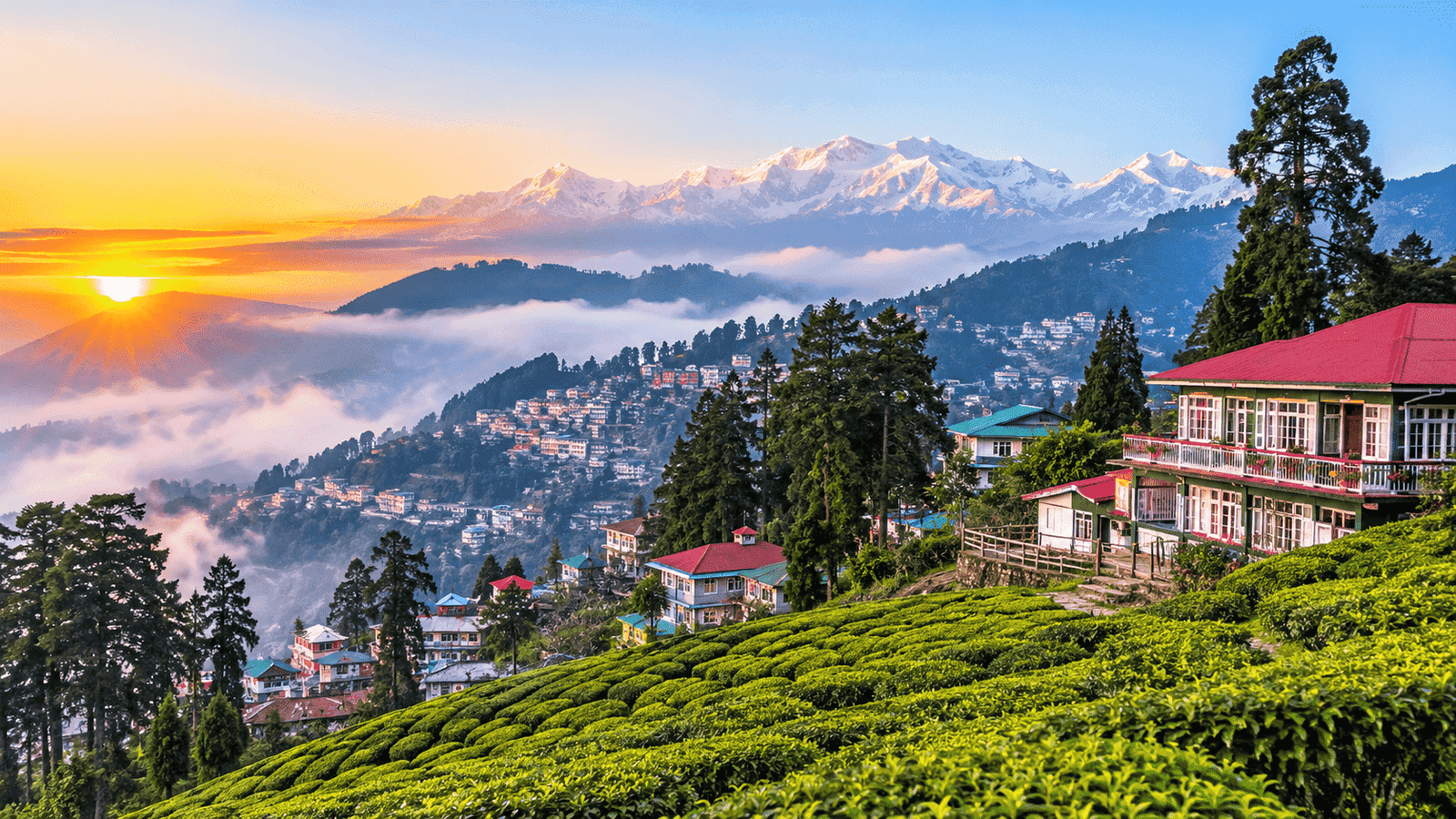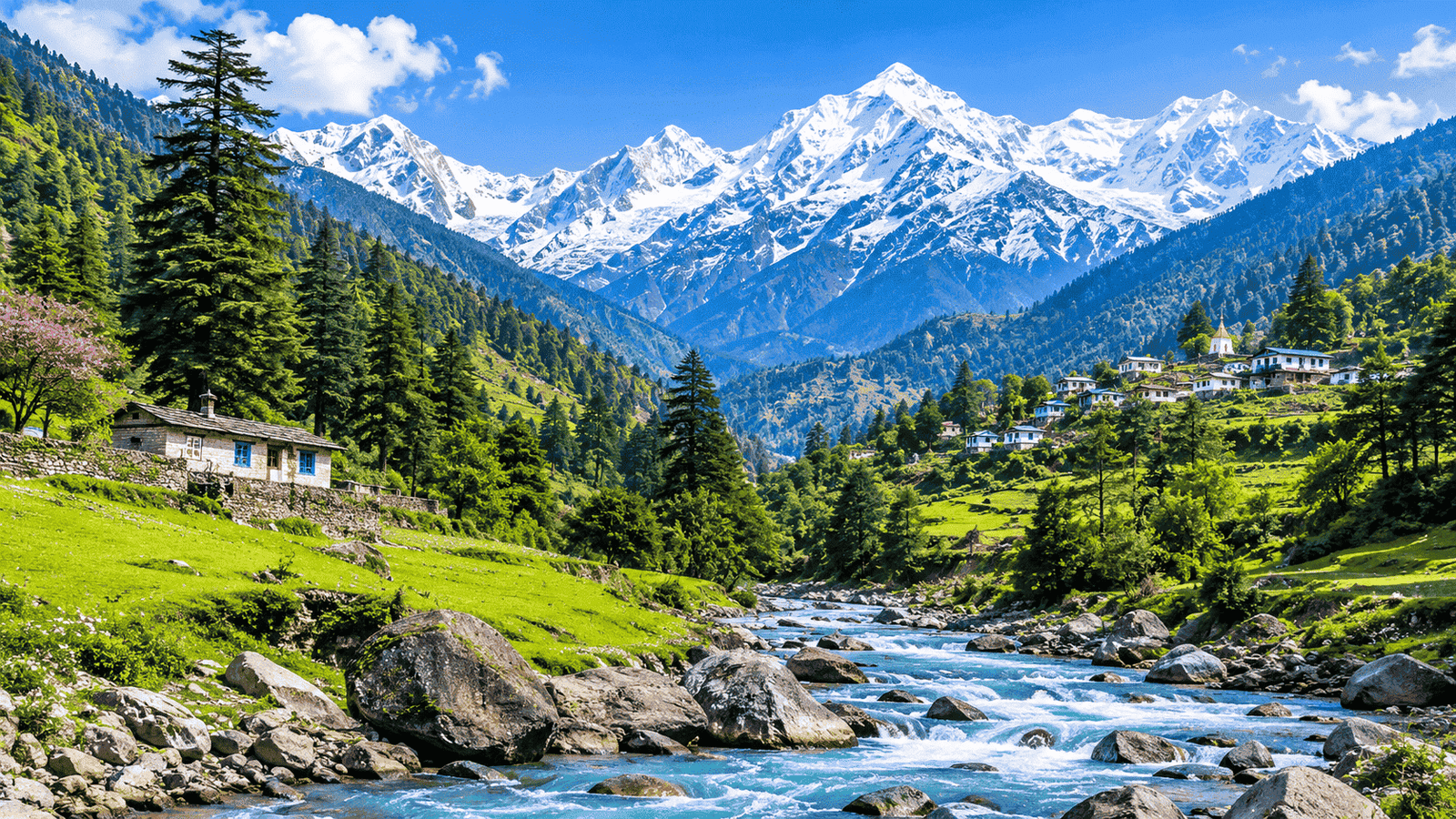
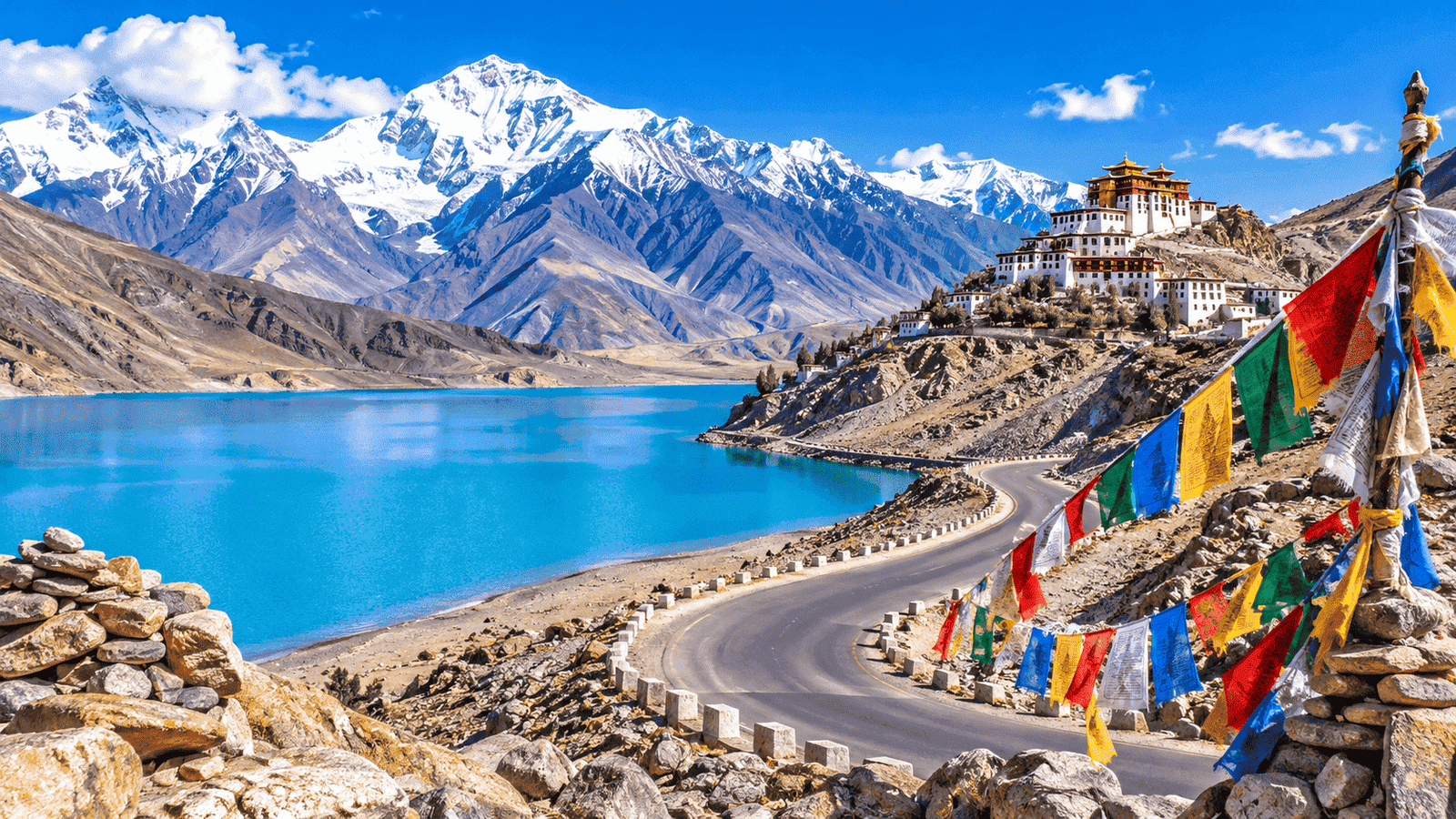
Ladakh is not an ordinary holiday destination. Located in the northernmost region of India, this spectacular Himalayan destination is known for its snow-covered mountain peaks, high-altitude passes, turquoise lakes, ancient Buddhist monasteries and dramatic desert landscapes. Whether you dream of riding a motorcycle through mountain roads, watching the changing colours of Pangong Lake, exploring the beautiful Nubra Valley or enjoying peaceful moments in a traditional Ladakhi village, every journey offers something memorable.
However, choosing the right travel month is one of the most important decisions when planning a Ladakh holiday. Weather conditions, snowfall, road accessibility, altitude and seasonal accommodation availability can significantly affect your experience.
So, what is the best time to visit ladakh tour?
For most travellers, the ideal time is between mid-May and late September. During these months, many major tourist routes become accessible, the weather is relatively favourable for sightseeing, and popular destinations such as Leh, Nubra Valley and Pangong Lake can generally be included in a well-planned itinerary.
However, every season has its own charm. June offers dramatic mountain scenery, July and August are popular for road trips and adventure activities, September provides beautiful autumn landscapes, while winter attracts travellers looking for snow-covered surroundings and unique experiences.
In this detailed guide, we will explore the best months to visit Ladakh, seasonal weather conditions, road accessibility, popular attractions and practical planning tips to help you choose the right time for your journey.
Best Time to Visit Ladakh Tour: An Overview
The best time to visit Ladakh depends on the type of holiday you are planning. Some travellers prefer comfortable sightseeing and family trips, while others want adventurous motorcycle journeys, photography opportunities or trekking experiences.
Here is a quick overview of Ladakh's major travel seasons.
For a conventional Ladakh sightseeing tour, summer is generally the most convenient season. For travellers who prefer fewer crowds and beautiful autumn scenery, September can be an excellent choice.
The official Ladakh Tourism website also highlights spring, summer, autumn and winter as distinct travel seasons, each offering different experiences.
Ladakh Weather Month by Month: Which Month Should You Choose?
Understanding the seasonal changes is essential before booking your Ladakh holiday. Unlike many other Indian destinations, Ladakh experiences a cold desert climate. The days can be sunny, while temperatures drop considerably after sunset.
Here is a practical month-by-month breakdown.
January: Best for a Special Winter Experience
January is one of the coldest months in Ladakh. Heavy winter conditions, freezing temperatures and snowfall in surrounding areas create a dramatic Himalayan atmosphere.
This month is not suitable for a conventional sightseeing tour covering all the popular destinations. Several road routes and remote tourist facilities may be unavailable because of snow and extreme weather.
However, experienced winter travellers may visit Leh for a carefully organised winter holiday. The famous Chadar Trek on the frozen Zanskar River is a seasonal experience associated with winter, although its operation depends on ice conditions, weather and local permissions.
Who should visit in January?
Experienced winter travellers.
Adventure enthusiasts interested in guided winter activities.
Photographers looking for dramatic frozen landscapes.
Travel advice: Carry proper insulated winter clothing and book through experienced local operators. Do not plan remote winter travel without checking current conditions.
February: A Quiet Month for Winter Lovers
February continues to bring severe winter conditions. The landscape remains cold, quiet and beautiful, with snow-covered mountain surroundings in suitable areas.
Tourist movement is generally limited compared with summer. Many seasonal camps, restaurants and remote accommodation facilities may not operate normally.
February can be suitable for travellers specifically interested in winter photography and specialised adventure experiences. However, it is not the most convenient time for a first-time Ladakh sightseeing holiday.
March: The Beginning of Spring
March marks the transition from deep winter towards spring. Temperatures gradually begin to change, although nights remain very cold.
Snow can still be present in many high-altitude areas, and road accessibility remains uncertain. Leh town may be explored depending on local conditions, but a complete road-based circuit covering Nubra Valley and Pangong Lake should not be assumed to be available.
This month is best suited to travellers who enjoy quiet destinations and are comfortable with changing weather.
April: A Beautiful Time for Apricot Blossoms
April is an interesting time to experience a different side of Ladakh. The region begins welcoming spring, and apricot trees blossom in several villages, creating beautiful seasonal scenery.
Areas around the Indus and Sham valleys can be particularly attractive for photography and cultural exploration.
However, April is still a shoulder season. Temperatures remain cold, some high mountain routes may not be open, and accommodation options outside Leh can be limited.
Why choose April?
Seasonal apricot blossoms.
Fewer tourists than the summer peak.
Beautiful village landscapes.
Opportunities to experience local culture.
Important: Do not select April simply because you want to visit Pangong Lake or Nubra Valley. Check the road situation and accommodation availability before finalising your itinerary.
May: The Beginning of the Main Travel Season
May is when Ladakh gradually becomes more accessible for mainstream tourism.
The weather starts becoming more favourable, although high-altitude areas can remain cold. The Srinagar–Leh route generally begins opening around this period, depending on snowfall and road clearance.
The Manali–Leh Highway may open later, sometimes extending into June depending on weather conditions and road conditions.
May is a good option for travellers who want to experience Ladakh before the busiest summer period. However, early-season travellers should keep their itineraries flexible because high passes and remote routes may still experience temporary closures.
Recommended for: Flexible travellers, photographers and people looking for a quieter start to the summer season.
June: One of the Best Months to Visit Ladakh
June is among the most attractive months for a complete Ladakh holiday.
As the summer season progresses, major road routes generally become more accessible. Travellers can plan journeys covering Leh, Nubra Valley, Khardung La, Pangong Lake and other popular destinations, subject to local road conditions.
The weather is generally suitable for outdoor sightseeing, although mountain nights remain cold. Higher passes may still have snow, creating beautiful views along mountain roads.
June is particularly attractive for:
Ladakh motorcycle trips.
Srinagar to Leh road journeys.
Manali to Leh road journeys, when officially open.
Pangong Lake and Nubra Valley sightseeing.
Photography and outdoor exploration.
One practical advantage of June is the combination of summer accessibility and dramatic mountain scenery. However, early June and late June can feel different depending on the year's snowfall and road-opening schedule.
Travel recommendation: For travellers planning their first Ladakh tour, June is one of the strongest options, provided the main roads are confirmed open.
July: A Popular Month for Ladakh Road Trips
July is one of the busiest travel months in Ladakh. The main tourist season is generally in full swing, and many travellers arrive for road trips, motorcycle adventures and sightseeing holidays.
Popular destinations such as Pangong Lake, Nubra Valley and the mountain passes are commonly included in tour itineraries when conditions permit.
The weather is relatively favourable for outdoor exploration, but this is also a popular holiday period. Hotels, camps and transport services in high-demand locations can become busy.
Although Ladakh lies in the rain-shadow region of the Himalayas, it is not correct to assume that every part of the journey is completely free from monsoon-related disruption. Heavy rainfall in other Himalayan regions can affect approach routes, while local storms and sudden weather changes can also create travel difficulties.
Why visit in July?
Popular road routes are generally in their main operating season.
Good opportunities for motorcycle tours.
Suitable for sightseeing and lake visits.
A lively tourist atmosphere.
Travel advice: Book accommodation and transport in advance, especially for weekends and popular holiday dates.
August: Good for Adventure and Scenic Road Journeys
August continues the main summer travel period. It is a popular month for people who want to experience Ladakh's high mountain roads, remote villages and famous lakes.
Travellers can enjoy the dramatic landscape around Khardung La, the peaceful beauty of Nubra Valley and the changing colours of Pangong Lake.
However, August requires sensible weather planning. Conditions on the approach routes can change, and temporary road closures or delays are possible. Travellers coming through Manali or Srinagar should check the latest travel advisories before departure.
For a comfortable holiday, avoid packing too many destinations into a short itinerary. A little flexibility can make a big difference when mountain weather affects road travel.
Recommended for: Adventure lovers, motorcycle travellers, groups of friends and families planning a summer vacation.
September: One of the Best Months for a Ladakh Holiday
September is an excellent month for travellers who want to enjoy Ladakh without the busiest part of the summer holiday rush.
The monsoon season is generally withdrawing from many parts of North India, although weather conditions can still affect individual routes. Ladakh's clear skies and changing autumn colours create excellent opportunities for photography.
The landscapes begin taking on warmer golden shades, while the tourist atmosphere can feel more peaceful than during the peak July–August period.
September is particularly suitable for:
Couples looking for scenic holidays.
Families seeking a quieter travel period.
Landscape photographers.
Travellers planning a relaxed road trip.
Visitors interested in local culture and monasteries.
Early September usually offers more summer-like travel conditions than late September. As the month progresses, nights become colder, and some seasonal camps or facilities may begin closing.
Our recommendation: September is one of the best choices for a balanced Ladakh tour, especially for travellers who value scenery and a comparatively relaxed atmosphere.
October: A Beautiful but Colder Shoulder Season
October brings a noticeable transition towards winter. The landscape can look spectacular, with golden and brown shades across the valleys and clear mountain views on suitable days.
However, temperatures drop, especially at night. Some accommodation facilities in remote areas may close for the season, and road conditions can become less predictable.
Travellers visiting in early October may still enjoy selected sightseeing routes, depending on weather and road access. Late October requires more careful planning.
October is better suited to independent travellers with flexible itineraries than to visitors who expect every summer facility to remain available.
November: The Beginning of Harsh Winter Conditions
November marks the beginning of Ladakh's colder winter period. Tourist facilities outside Leh may become increasingly limited, and high-altitude roads can be affected by snowfall.
This is generally not the right month for a conventional road trip covering all major attractions.
Travellers who specifically want a quiet winter atmosphere may still consider Leh, but they should arrange transport, accommodation and emergency support before arrival.
December: For Serious Winter Travel Enthusiasts
December offers a cold and peaceful version of Ladakh. The winter landscape can be beautiful, but the conditions are challenging.
Temperatures can fall dramatically, and some areas become difficult to access. The official Ladakh Tourism advisory warns that winter temperatures can drop to around -30°C, making proper winter equipment essential.
Choose December only when winter travel is the main purpose of your holiday. It is not recommended as a casual alternative to a regular summer sightseeing tour.
Best Season for Different Types of Ladakh Tours
Not every traveller wants the same experience. The best time to visit depends on the activities and destinations included in your plan.
Best Time for a Ladakh Bike Trip
June to September is generally the most suitable period for a Ladakh motorcycle tour, subject to road openings and weather conditions.
During this period, major mountain routes are more likely to be accessible. Riders can plan journeys through high-altitude passes, valleys and remote landscapes.
However, riding in Ladakh requires more than confidence on a motorcycle. Riders should understand mountain-road conditions, carry suitable protective equipment and avoid riding after dark or during poor weather.
Best recommendation: June or September for riders looking for a rewarding road journey with potentially less peak-season congestion.
Best Time to Visit Pangong Lake
Pangong Lake is one of Ladakh's most famous attractions. Its striking blue water, surrounding mountains and changing colours create an unforgettable landscape.
May to September is generally the preferred period for visiting Pangong Lake, depending on local road conditions and weather.
June, July, August and early September are popular choices. For photography, clear weather and morning or evening light can create particularly beautiful views.
Remember that Pangong Lake is at a very high altitude. A visit should only be planned after proper acclimatisation in Leh.
Best Time to Visit Nubra Valley
Nubra Valley is famous for its beautiful mountain scenery, sand dunes, traditional villages and the unique double-humped Bactrian camels.
May to September is generally a favourable period for a road-based Nubra Valley tour.
Summer offers convenient conditions for sightseeing and exploring the valley. September can be especially attractive for travellers who prefer a quieter atmosphere.
Best Time for Photography in Ladakh
Ladakh offers excellent photography opportunities throughout the year, but the experience changes with every season.
April: Apricot blossoms and village landscapes.
June: Snow-covered mountain scenery and clear summer skies.
July–August: High-altitude lakes, mountain passes and dramatic landscapes.
September: Golden autumn colours and beautiful light.
January–February: Winter scenery and frozen landscapes for experienced winter photographers.
Photographers should plan around natural light, weather and altitude rather than trying to cover too many destinations in one day.
Best Time for a Family Ladakh Tour
For most families, June to September is the more practical travel period.
However, families should not choose a month only because of favourable weather. Acclimatisation, comfortable accommodation, suitable transport and a relaxed itinerary are equally important.
A family tour should include sufficient rest in Leh and should avoid rushing to high-altitude destinations immediately after arrival.
Top Places to Visit During the Best Time to Visit Ladakh Tour
A properly planned Ladakh itinerary can combine natural attractions, cultural heritage and memorable road journeys.
1. Leh: The Gateway to Ladakh
Leh is the main starting point for most Ladakh holidays. The town offers a combination of traditional markets, mountain views, monasteries, cafes and local culture.
Popular attractions include Leh Palace, Shanti Stupa and the historic old town.
Spend your first two days here for acclimatisation instead of immediately travelling to higher-altitude destinations.
2. Pangong Tso: The Famous Blue Lake
Pangong Tso is one of the most photographed destinations in Ladakh.
The lake is known for its dramatic surroundings and changing shades of blue. Its landscape looks different depending on the weather, season and time of day.
An overnight stay near the lake can be memorable, but choose accommodation carefully and consider the cold night temperatures.
3. Nubra Valley: A Beautiful Himalayan Desert
Nubra Valley offers a different landscape from the high mountain surroundings of Leh.
Visitors can explore Diskit Monastery, the Hunder sand dunes and traditional villages. The valley is also known for its distinctive Bactrian camels.
A journey through Khardung La is a popular part of many Nubra itineraries, although road conditions and access must always be checked.
4. Turtuk: A Unique Cultural Experience
Turtuk is a picturesque village in the Nubra region, known for its cultural heritage, traditional architecture and beautiful surroundings.
It offers a different perspective on Ladakh beyond the popular lake and mountain-pass circuit.
Travellers should confirm local access requirements and current travel conditions before including Turtuk in their itinerary.
5. Thiksey Monastery: A Spiritual Landmark
Thiksey Monastery is an important Buddhist monastery located near Leh.
Its impressive architecture, prayer halls and mountain backdrop make it an attractive place for visitors interested in Ladakh's spiritual and cultural heritage.
6. Tso Moriri: A Peaceful High-Altitude Lake
Tso Moriri is a spectacular high-altitude lake surrounded by mountains and open landscapes.
It is generally better suited to travellers with a longer itinerary because of its remote location, high altitude and limited facilities.
Do not add Tso Moriri to a short tour simply to increase the number of destinations. Proper acclimatisation and road planning are essential.
How Many Days Are Required for a Ladakh Tour?
The number of days required depends on your arrival point, travel route, preferred attractions and travel pace.
For a first-time visitor, a 6–8-day plan can cover the main attractions at a relatively comfortable pace, while a longer journey offers more flexibility.
Here is an indicative itinerary.
This itinerary is a planning example, not a fixed schedule. Your travel operator should adjust it according to road conditions, altitude, transport availability and your physical comfort.
For a more relaxed tour, consider 8–10 days or longer, particularly if you want to include Tso Moriri, remote villages or additional cultural experiences.
Important Travel Tips Before Planning Your Ladakh Tour
Choosing the right season is important, but preparation is what makes the journey comfortable and safe.
Allow Time for Acclimatisation
Ladakh is a high-altitude destination, and Leh itself is located at approximately 3,500 metres above sea level.
Travellers arriving in Leh should allow at least 48 hours for acclimatisation before travelling to higher-altitude destinations, in accordance with the official Ladakh Tourism advisory.
During this period:
Rest after arrival.
Avoid strenuous physical activities.
Drink sufficient fluids.
Eat light meals.
Avoid alcohol and smoking.
Do not ignore headaches, nausea, dizziness or breathlessness.
If symptoms worsen, stop ascending and seek medical attention. Severe altitude sickness can become life-threatening.
Do not start altitude medication without consulting a qualified doctor.
For detailed guidance, check the official Ladakh Tourism travel advisory.
Check Road Conditions Before Starting Your Journey
The Srinagar–Leh Highway and Manali–Leh Highway are popular routes for travellers.
Their opening and closing dates vary according to snow conditions, road clearance and weather. The Manali–Leh route generally has a shorter operating window than the Srinagar–Leh route.
Never assume that a route will be open just because it was accessible during the same month in the previous year.
Check the latest official updates before starting your road journey.
The District Leh official travel information page provides general information about road access and seasonal conditions.
Carry Warm Clothing
Even during summer, Ladakh can become very cold after sunset.
Carry:
Thermal innerwear.
A warm jacket.
Gloves and woollen socks.
Comfortable walking shoes.
Sunglasses and sunscreen.
Lip balm and moisturiser.
A reusable water bottle.
Layering is generally more practical than relying on one very heavy jacket.
Book Accommodation and Transport Carefully
During June, July and August, popular hotels and camps can become busy.
Book suitable accommodation and reliable transport in advance, especially for lake-side stays and longer road journeys.
When selecting a tour package, check what is included in the price, such as accommodation, meals, local transport, driver charges and applicable fees.
Check Permit and Environmental Fee Requirements
Before visiting popular or regulated destinations, check the latest local requirements for permits, registrations and environmental fees.
The Leh District Tourist Management System provides official tourist information and online services.
Visit the official Leh District Tourist Management System for current information rather than depending on outdated travel articles.
Carry Cash and Essential Supplies
Digital payments may not work reliably in every remote area. Carry enough cash for basic expenses, along with prescribed medicines, personal identification and essential travel documents.
Mobile connectivity can also be limited in remote locations, so download important maps and travel information in advance.
Respect the Local Environment and Culture
Ladakh has a fragile mountain ecosystem. Avoid littering, respect monastery rules and follow local instructions near lakes and remote villages.
Responsible travel helps protect the destination and supports local communities.
What Is the Best Time to Visit Ladakh from Kolkata?
For travellers starting from Kolkata, June and September are attractive options for planning a Ladakh tour.
A common travel plan is to fly from Kolkata to Delhi and then take a connecting flight to Leh. Travellers who prefer a road journey can also plan a longer route through Srinagar or Manali, depending on road accessibility.
However, reaching Leh by air does not remove the need for acclimatisation. Reserve at least 48 hours in Leh before travelling to higher-altitude locations.
For a first-time trip from Kolkata, an 8–10-day itinerary is a practical starting point. It gives you time for acclimatisation, local sightseeing, Nubra Valley and Pangong Lake without making every day unnecessarily rushed.
Families and couples should particularly consider a comfortable pace, suitable accommodation and reliable transport.
Which Month Should You Finally Choose for Your Ladakh Tour?
There is no single perfect month for every traveller. Your ideal travel window depends on what you want to experience.
Here is a simple recommendation:
For most first-time visitors, June to September provides the best balance of sightseeing opportunities and seasonal accessibility.
However, September deserves special attention. It can offer attractive scenery and a comparatively relaxed atmosphere, particularly during the earlier part of the month.
Conclusion: Plan Your Ladakh Holiday at the Right Time
Choosing the best time to visit ladakh tour is about more than finding a month with pleasant weather. You need to consider road accessibility, altitude, accommodation, sightseeing priorities and the kind of experience you want from the holiday.
For most travellers, mid-May to late September is the main travel window. June is excellent for a conventional road trip, July and August are popular for summer adventures, and September is an appealing choice for scenic holidays and photography.
Winter offers an entirely different experience, but it requires specialist preparation and should not be treated as a regular sightseeing season.
The most important advice is to plan your journey with enough time for acclimatisation, keep your road itinerary flexible and check official travel updates before departure.
Ladakh rewards travellers who take their time. Whether you are exploring the peaceful villages of Nubra Valley, admiring the blue waters of Pangong Tso or travelling through the dramatic Himalayan passes, choosing the right season can make your holiday far more enjoyable.
Start planning your Ladakh journey with a well-organised itinerary, comfortable accommodation and reliable local travel support.
Frequently Asked Questions (FAQs)
1. What is the best time to visit Ladakh tour?
The best time for most Ladakh sightseeing tours is between mid-May and late September. During this period, many major tourist routes are generally accessible, and visitors can explore Leh, Nubra Valley and Pangong Lake, subject to current weather and road conditions.
2. Which month is best for a Ladakh trip?
June and September are two excellent choices. June is suitable for summer road trips and sightseeing, while September offers beautiful autumn scenery and often a more relaxed tourist atmosphere.
3. Can we visit Ladakh in July and August?
Yes. July and August are popular months for Ladakh holidays. Travellers can generally plan sightseeing, motorcycle journeys and lake visits during this period. However, approach roads may experience weather-related disruptions, so check travel updates before departure.
4. Is September a good time to visit Ladakh?
Yes. September is one of the most attractive months for visiting Ladakh. The landscape begins developing autumn colours, and the tourist rush can be lower than during peak summer. Early September generally offers more summer-like conditions than late September.
5. Can we visit Ladakh in winter?
Yes, but winter travel requires special preparation. From November to February, temperatures can become extremely cold, and several road routes and remote facilities may be unavailable. Winter holidays are better suited to experienced travellers interested in snow landscapes and specialist winter activities.
6. What is the best time to visit Pangong Lake?
May to September is generally the preferred travel window for Pangong Lake, depending on road access and weather. June to early September is a popular period for sightseeing and photography.
7. How many days are enough for a Ladakh tour?
Around 6–8 days can cover the main attractions with proper planning, while 8–10 days or more allows for a more relaxed itinerary. Always include sufficient time for acclimatisation in Leh.
8. Is Ladakh suitable for a family holiday?
Yes, Ladakh can be a wonderful family destination when the trip is planned carefully. Choose comfortable accommodation, suitable transport and a relaxed itinerary. Allow at least 48 hours for acclimatisation after arrival in Leh.
9. Is a bike trip to Ladakh possible in May?
It may be possible on selected routes depending on road openings, snowfall and weather conditions. The Manali–Leh route may open later than the Srinagar–Leh route. Confirm current road conditions before booking a motorcycle tour.
10. Do tourists need to acclimatise in Leh?
Yes. The official Ladakh Tourism advisory recommends at least 48 hours of complete rest for acclimatisation after arriving in Leh before travelling to higher-altitude destinations. This is an important part of safe Ladakh travel planning.
11. What should I pack for a Ladakh tour in summer?
Carry warm layers, a windproof jacket, thermal wear, gloves, comfortable shoes, sunglasses, sunscreen, lip balm, personal medicines and essential travel documents. Nights can be cold even during summer.
12. Is Ladakh open throughout the year?
Leh can be reached by air during much of the year, weather permitting. However, road accessibility, remote accommodation and sightseeing options change significantly with the seasons. A summer itinerary cannot automatically be followed in winter.