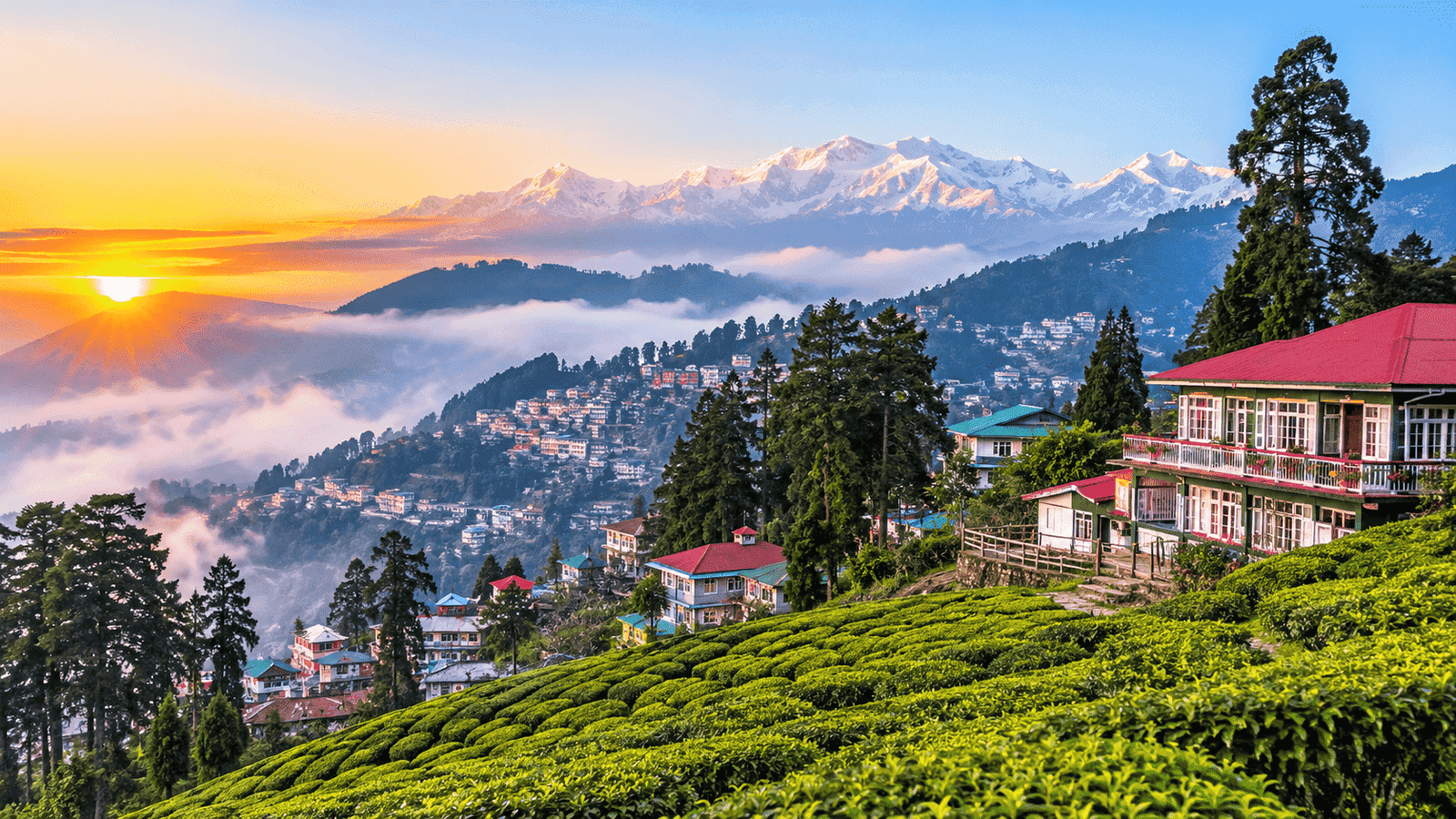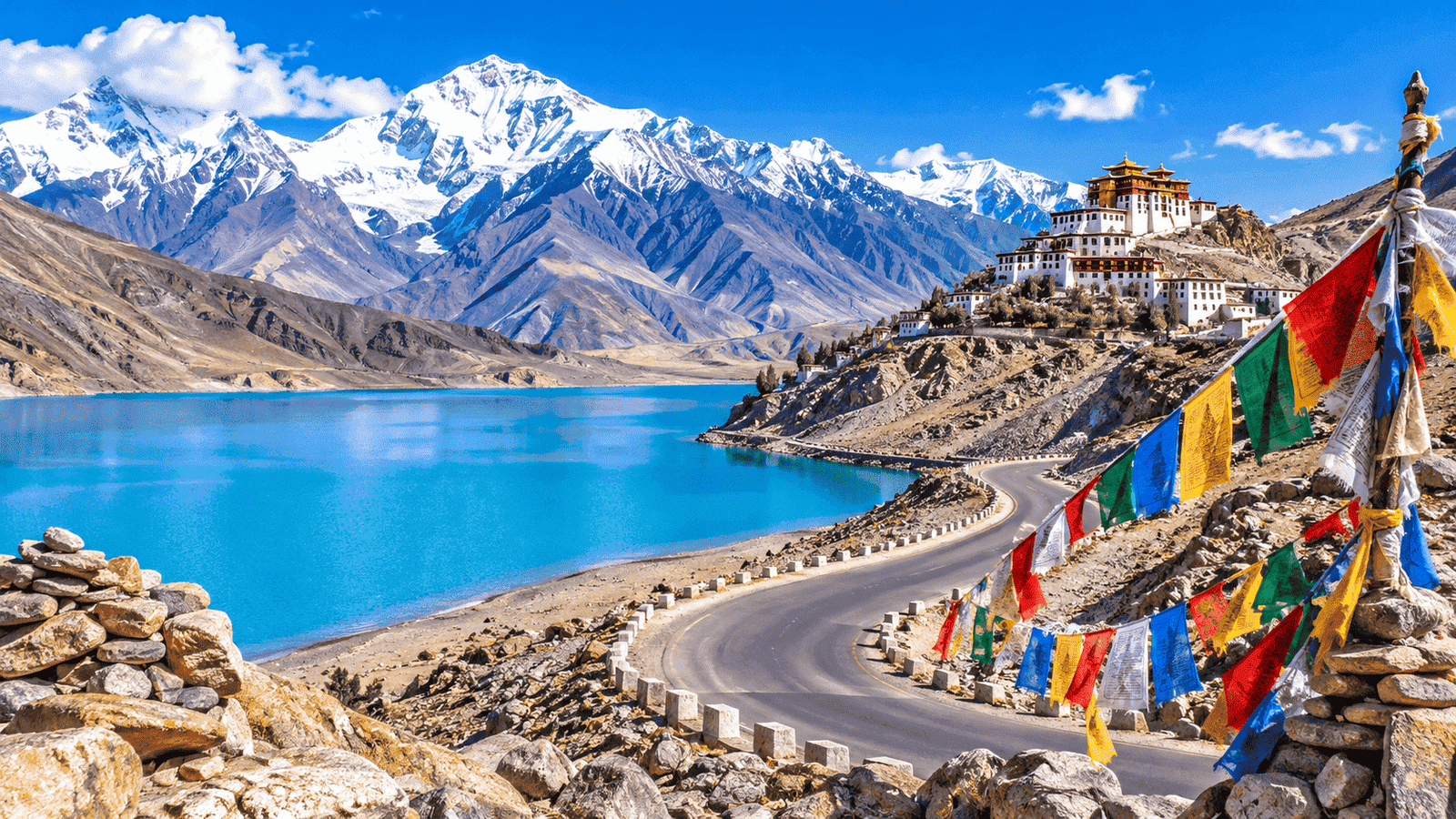

Sikkim is one of the most rewarding destinations for travellers who love mountain scenery, peaceful monasteries, alpine lakes, winding roads and traditional Himalayan villages. Located in northeastern India, this small Himalayan state offers remarkable changes in landscape over relatively short distances. You can explore the lively streets of Gangtok, admire Mount Khangchendzonga from a mountain viewpoint, visit the lakes around Tsomgo, or travel towards the flower-filled valleys of North Sikkim.
However, choosing the right travel dates can make a significant difference to your experience. A clear autumn morning may offer excellent mountain views, while the monsoon can bring mist, rain and road disruptions. Spring brings colourful flowers to many parts of the state, and winter creates opportunities to experience snow at suitable high-altitude locations.
So, what is the best time to visit Sikkim?
For most travellers, March to May and October to mid-December are the most useful periods to consider. Spring is ideal for flowering landscapes and comfortable sightseeing, while autumn is particularly attractive for clear Himalayan views and photography. The best choice still depends on which destinations you plan to visit and what you hope to experience.
Sikkim's official tourism information explains that its climate ranges from subtropical conditions in lower areas to alpine and extremely cold conditions in the higher Himalayas. Rainfall, temperature and visibility can therefore vary considerably between destinations. Source: Government of Sikkim.
This guide explains the best season and month for different types of trips, including family holidays, honeymoon itineraries, sightseeing, snow experiences and nature photography.
What Is the Best Time to Visit Sikkim?
The best time to visit Sikkim depends on whether you prefer flowers, clear mountain views, pleasant sightseeing weather or winter snow.
For a first trip covering Gangtok, Tsomgo Lake, Pelling and other popular destinations, spring and autumn are usually the easiest seasons to plan around.
Here is a quick comparison of the main travel seasons.
The most important distinction is between comfortable sightseeing weather and snow-dependent travel. The months that work best for visiting Gangtok and enjoying outdoor excursions may not be the same months that suit a trip focused on snow.
For a balanced holiday, consider March, April, October or November. For winter scenery, consider December to February, but confirm access to your intended destinations before paying for non-refundable arrangements.
Best Time to Visit Sikkim in Spring (March to May)
Spring is one of the most attractive seasons for a Sikkim holiday. Temperatures gradually become more comfortable in many popular tourist areas, and flowering plants add colour to forests, gardens and mountain valleys.
This season is particularly suitable for travellers who want a combination of sightseeing, cultural experiences and natural scenery.
Why visit Sikkim in spring?
Gangtok is a good base for exploring local viewpoints, monasteries, markets and nearby attractions. Travellers can also consider Pelling, Ravangla and other destinations in West and South Sikkim, depending on the length of the trip.
Spring is especially interesting for nature lovers. Rhododendrons bloom in many Himalayan areas, while orchids and other flowering plants add colour to suitable gardens and natural habitats.
North Sikkim can be particularly beautiful during the flowering season, although flowering dates vary with altitude and yearly weather. Do not assume that every meadow will be in full bloom simply because you are travelling in April or May.
March in Sikkim
March marks the transition from winter towards spring. Lower and middle-altitude destinations begin to feel more comfortable for daytime exploration, while higher mountain areas may remain very cold.
March can suit travellers who want to visit monasteries, explore Gangtok and photograph the mountains without travelling during the height of the summer holiday period. Snow may still be present at higher elevations, but actual conditions vary from year to year.
April in Sikkim
April is an excellent month to consider for a first visit. Flowering landscapes, pleasant sightseeing conditions in many areas and a mixture of green hills and snow-covered peaks can make the journey especially rewarding.
It is also a good time to plan a trip that combines Gangtok with Pelling, Ravangla or a permitted North Sikkim itinerary.
One practical consideration is that April can be busy. Reserve suitable accommodation and transport in advance if your dates coincide with school holidays or a long weekend.
May in Sikkim
May attracts travellers looking for a break from the heat of the Indian plains. The weather can remain pleasant in many popular hill destinations, but rainfall and fog become increasingly relevant as the month progresses.
For a May trip, keep the itinerary realistic. Avoid scheduling several long mountain transfers on consecutive days without allowing for delays. If a remote valley excursion is a major reason for travelling, check the route and permit situation before finalising the rest of the holiday.
Best for: Families, couples, sightseeing, spring flowers and travellers visiting Sikkim for the first time.
Best Time to Visit Sikkim in Summer (June)
June can still be a suitable month for some travellers, particularly those who want cooler mountain weather rather than hot conditions in the plains. However, it should not be treated as a completely dry summer season.
Rainfall generally becomes more frequent around this period, and clouds may reduce the visibility of distant peaks. Weather conditions also differ between the state's lower valleys and its high-altitude destinations.
What can you expect in June?
Gangtok and other popular hill destinations remain useful bases for sightseeing when conditions are favourable. You can visit monasteries, explore local markets, enjoy regional food and discover cultural attractions without making every day dependent on outdoor mountain views.
Nature lovers may appreciate the fresh green landscape. However, travellers planning high-altitude excursions should monitor weather and local road conditions, particularly if their itinerary includes remote areas.
June is best approached with a flexible schedule. Keep one or two indoor or town-based activities available as alternatives to long outdoor excursions.
Best for: Travellers seeking cooler hill destinations, green landscapes and a flexible holiday.
Visiting Sikkim During the Monsoon (July to September)
The monsoon transforms Sikkim's landscape. Forests become lush, waterfalls gain volume and the hills look exceptionally green. Photographers may appreciate the misty atmosphere, and visitor numbers can be lower than during the busiest holiday periods.
However, this is also the most weather-sensitive period for many conventional tourist itineraries.
The Government of Sikkim identifies May to early October as a period of substantial rainfall, with July often the wettest month. Fog is also common from May to September. Source: Government of Sikkim.
Why the monsoon can be difficult
Heavy rain can trigger landslides, affect mountain roads and interrupt transport. A route that is normally manageable may take much longer after rainfall or become temporarily inaccessible.
For travellers with fixed hotel bookings, connecting flights or a short holiday, these delays can create problems. Remote destinations require particular caution because a road disruption may affect the entire day's plan.
Is Sikkim worth visiting in the monsoon?
Yes, provided you understand the risks and remain flexible. The season can appeal to travellers who enjoy greenery, misty scenery and a slower pace, especially when they base themselves in accessible towns.
It is less suitable for visitors whose main priority is uninterrupted mountain views, extensive road trips or tightly scheduled excursions.
If you travel during this period:
Check local weather and road updates before setting out each day.
Keep buffer time before onward flights and trains.
Use experienced local drivers for mountain journeys.
Avoid walking close to unstable slopes, swollen streams or waterfall edges.
Confirm cancellation policies before booking accommodation and transport.
Do not assume that a road will be open because a travel operator offered the same route in another month. Conditions in mountainous areas can change rapidly.
Best for: Flexible travellers who enjoy green landscapes and understand the risks of monsoon travel.
Best Time to Visit Sikkim in Autumn (October to November)
Autumn is one of the strongest choices for a classic Himalayan holiday. After the main monsoon period begins to recede, conditions often become more favourable for long-distance mountain views and outdoor sightseeing.
October and November are particularly attractive to photographers, couples and travellers who want to see the Himalayan range against a clearer sky.
However, the end of the monsoon does not guarantee perfect weather every day. Residual rainfall, local cloud cover and individual weather systems may still affect visibility.
October in Sikkim
October is an excellent month to consider for a first-time visitor. It can offer a useful balance of sightseeing weather, mountain scenery and access to many established tourist destinations.
Popular stops include Gangtok, Tsomgo Lake, Pelling and Ravangla, subject to current permits and local conditions.
Autumn mornings can be especially appealing for photography. Early starts may help you reach viewpoints before clouds develop, although visibility is never guaranteed.
October is also a popular travel month, so book rooms and transport early for festive dates and long weekends.
November in Sikkim
November often offers cool, crisp conditions and excellent opportunities for mountain photography. The weather gets colder as the month progresses, especially in the evenings and at higher elevations.
For travellers focused on monasteries, viewpoints and sightseeing, November can be an excellent option. Those hoping for snow should remember that a cold forecast does not guarantee snowfall at a specific destination.
Pack warm layers even if daytime conditions in Gangtok seem comfortable. Temperatures can differ considerably between a town, an exposed mountain pass and an alpine valley.
Best for: First-time visitors, honeymooners, mountain photography and travellers seeking clear Himalayan views.
Best Time to Visit Sikkim in Winter (December to February)
Winter is ideal for travellers who enjoy cold mountain weather and want to experience Sikkim's high-altitude landscapes in their colder months.
Snow can be found at suitable higher elevations, depending on weather conditions. Popular snow-oriented destinations include areas around Tsomgo Lake, Nathula, Yumthang and other high-altitude locations, but access and snow cover vary.
December in Sikkim
December can work well for a winter holiday, especially in Gangtok and other established tourist areas. The air becomes colder, and some high-altitude destinations may receive snow.
However, snow is not guaranteed in Gangtok itself. Travellers should avoid building an entire itinerary around the expectation of seeing snowfall on a particular date.
January in Sikkim
January is one of the coldest months, especially at high elevations. It may appeal to travellers who want snow-covered landscapes and are prepared for freezing conditions.
Some high-altitude roads or attractions may be inaccessible because of snow, ice, weather restrictions or administrative decisions. Plan around destinations that remain accessible rather than assuming every advertised excursion will operate.
February in Sikkim
February brings a gradual transition towards spring in some areas, while high mountain locations can remain very cold. It can be suitable for winter scenery and cultural exploration, with fewer crowds at selected destinations outside major holiday dates.
Important winter travel advice
Carry thermal clothing, gloves, a warm jacket, woollen socks and footwear with good grip. Check the forecast for each destination rather than relying only on the weather in Gangtok.
Altitude also matters. A short visit to a high-altitude location can be physically demanding, particularly for travellers who have arrived from the plains. Allow time to adjust, stay hydrated and take symptoms of altitude sickness seriously.
Best for: Snow-focused trips, winter photography and travellers comfortable with cold weather.
Best Time to Visit Sikkim Month by Month
Choosing the best month becomes easier when you match the weather to the activities on your itinerary.
These are general seasonal patterns, not daily forecasts. Conditions can change from one year to another and between different parts of Sikkim.
Best Time to Visit Sikkim for Different Types of Travellers
For families
March, April, October and November are practical months to consider for a family holiday. These periods can offer comfortable sightseeing conditions in popular destinations without relying entirely on winter snow or monsoon scenery.
Families travelling with young children or older relatives should avoid packing too many long mountain drives into one day. Include time for rest and confirm the accessibility of high-altitude excursions.
For honeymoon couples
October and November are strong choices for couples seeking mountain views, peaceful scenery and opportunities for photography. March and April can also be attractive for flowering landscapes.
A good honeymoon itinerary balances scenic excursions with time to relax. Avoid making every day dependent on reaching a remote destination, particularly during periods when weather or road conditions may be uncertain.
For snow lovers
December to February is a sensible starting point for planning a snow-oriented trip, but the right dates depend on recent snowfall and road access. Some higher-altitude destinations can be extremely cold, and permits or local restrictions may affect access.
Confirm the conditions shortly before travel rather than treating a winter booking as a guarantee of snow.
For photographers
October and November are particularly attractive for mountain landscapes, while March and April offer possibilities for flower photography. Monsoon mist and waterfalls can also be visually striking, though weather-related access issues must be considered.
Allow more than one morning for major mountain views if your schedule permits. Mountain peaks can remain hidden by clouds even during a generally favourable season.
For budget-conscious travellers
Travelling outside major school holidays and long weekends may help you find better accommodation availability and more flexible transport options. The monsoon may have fewer visitors in some places, but potential road delays and cancellations can offset any savings.
Compare the total cost of the trip, not just the hotel price. A cheaper room may offer little value if your planned excursions cannot operate.
Best Time to Visit Popular Places in Sikkim
Sikkim has different experiences at different elevations, so the right travel month depends on which places you plan to visit.
Gangtok
Recommended months: March to May and October to November.
Gangtok is a useful base for exploring monasteries, markets, local viewpoints and nearby attractions. The town can be visited in different seasons, but monsoon fog may reduce long-distance views, while winter evenings can be cold.
Tsomgo Lake
Recommended months: Spring, autumn and suitable winter periods, depending on the experience you want.
Tsomgo Lake sits at high altitude, so temperatures and weather can differ sharply from Gangtok. Snow may be part of the winter experience, while milder months can be preferable for general sightseeing.
Check current permit requirements and road conditions before departure.
Nathula Pass
Recommended months: Choose dates based on current access conditions, with spring and autumn often useful for planning.
Nathula is a high-altitude border area, and visits depend on applicable permits and official restrictions. Weather and road conditions may prevent access even when the rest of your Gangtok itinerary is operating normally.
Yumthang Valley
Recommended months: Spring for flowers; other months depending on road access and the type of landscape you want to see.
Yumthang is well known for its seasonal wildflowers, especially rhododendrons. Blooming periods depend on elevation and annual weather, so precise flowering dates cannot be guaranteed.
The journey also requires more planning than a short excursion from Gangtok. Confirm transport arrangements and current permit rules before travelling.
Pelling
Recommended months: March to May and October to November.
Pelling is popular with travellers seeking mountain scenery, local monasteries and sightseeing in West Sikkim. Clear conditions can provide excellent views, but visibility still depends on the weather.
Ravangla
Recommended months: March to May and October to November.
Ravangla suits travellers looking for scenic viewpoints, peaceful surroundings and a slower-paced mountain trip. Spring flowering and autumn views are both worth considering.
Planning note: The seasons above are general recommendations, not guarantees of accessibility. The official Sikkim tourism permit portal provides information about protected-area permits. Check the latest requirements before travelling to restricted locations.
How Many Days Are Enough for a Sikkim Trip?
Your trip length should be based on the distances between destinations and the time needed for mountain transfers.
For a first visit, these are reasonable planning ranges:
3–4 days: Focus on Gangtok and nearby sightseeing. This is a short trip and leaves little room for major route disruptions.
5–6 days: Consider Gangtok with a carefully selected excursion, such as Tsomgo Lake, subject to access and permit approval.
7–8 days: A longer trip can combine Gangtok with another region, such as Pelling or a permitted North Sikkim itinerary. Avoid trying to cover every destination in one week.
9–12 days: A more relaxed trip may allow you to combine several regions and leave room for weather-related changes.
These are planning suggestions rather than fixed itineraries. North Sikkim trips may have specific itinerary and permit requirements, so confirm the current rules before booking.
Remember that a mountain transfer should not be judged by distance alone. Curving roads, traffic, weather and occasional disruptions can make a seemingly short journey take several hours.
Essential Travel Tips for Visiting Sikkim
Choosing the best season is only part of planning a successful trip. A few practical decisions can make the journey more comfortable.
Pack for changing temperatures
Sikkim's weather varies significantly by altitude. Pack layers, a waterproof outer jacket and comfortable walking shoes. During winter or high-altitude excursions, add thermal clothing, gloves and other cold-weather essentials.
Keep your itinerary flexible
Avoid arranging a major sightseeing excursion immediately before a flight or train departure. Allow a buffer for road delays, especially during the monsoon and in remote mountain areas.
Check permits in advance
Some tourist destinations require protected-area permits. Requirements vary by destination and traveller eligibility. Consult the official Sikkim Tourism permit portal and check with an authorised local operator when necessary.
Choose transport carefully
Mountain driving requires familiarity with local terrain and changing road conditions. For remote destinations and high-altitude excursions, an experienced local driver can be helpful.
The Government of Sikkim's travel and access information provides details about reaching the state, popular routes and permit guidance.
Respect altitude
Do not underestimate the effects of travelling to high elevations. Allow time to acclimatise, drink water regularly and avoid strenuous activity immediately after a rapid ascent. Seek medical advice if you have concerns about a health condition or altitude exposure.
Severe headache, vomiting, confusion or breathlessness at rest after ascending to altitude should be treated seriously. Stop ascending and seek urgent medical help if concerning symptoms occur.
Verify conditions shortly before departure
Check the local weather forecast, road status, permit restrictions and transport arrangements before setting out for remote locations. A seasonal recommendation cannot confirm that a particular road or tourist attraction will be open on your travel date.
Final Verdict: When Should You Plan Your Sikkim Holiday?
The best time to visit Sikkim for most travellers is March to May or October to mid-December.
Choose spring if flowers, green landscapes and comfortable sightseeing are your priorities. Choose October or November if you want to maximise your chances of clear mountain views and enjoy photography in crisp weather.
Winter is worth considering for cold-weather scenery and potential snowfall at higher elevations, provided you are prepared for severe cold and possible access restrictions. The monsoon can be beautiful, but it demands more flexibility because heavy rain may disrupt mountain travel.
The best itinerary is one that suits your interests, allows enough time between destinations and accounts for Sikkim's changing mountain weather. With sensible planning and up-to-date information, you can enjoy a rewarding trip in more than one season.
Before booking, check the current weather, road conditions and permit requirements for each destination on your itinerary.
Frequently Asked Questions (FAQs)
1. What is the best time to visit Sikkim?
The best time to visit Sikkim for most travellers is March to May and October to mid-December. Spring offers flowering landscapes and comfortable sightseeing weather, while autumn is often better for clear Himalayan views.
2. Which month is best for visiting Sikkim for the first time?
April and October are excellent months to consider for a first visit. April offers spring scenery, while October often brings favourable conditions for mountain views and sightseeing. Weather still varies by destination and year.
3. What is the best time to visit Sikkim for snowfall?
December to February is a useful period for planning a snow-focused trip, particularly to suitable high-altitude areas. Actual snowfall and road access depend on current weather conditions, so check local updates before travelling.
4. Is summer a good time to visit Sikkim?
Yes. March to May is generally a good period for sightseeing, flowers and family holidays. Rain may become more frequent in May, so travellers should monitor conditions and keep some flexibility in their plans.
5. Is Sikkim safe to visit during the monsoon?
Sikkim can be visited during the monsoon, but heavy rainfall may trigger landslides, road closures and transport delays. Travellers should check current conditions, avoid unstable slopes and keep backup plans. Those with tight schedules may prefer spring or autumn.
6. Which season is best for honeymoon couples in Sikkim?
October and November are good choices for couples who want mountain views and pleasant sightseeing conditions. March and April can also be appealing for flowering landscapes. The ideal month depends on the locations and activities included in the itinerary.
7. Can I visit Yumthang Valley throughout the year?
Yumthang Valley's seasonal appearance and accessibility vary with weather. Spring is popular for wildflowers, but snow and other conditions may affect access during colder months. Check current permits, road status and tour arrangements before planning your visit.
8. How many days should I spend in Sikkim?
Five to seven days can work for a first trip focused on Gangtok and selected nearby destinations. Seven to ten days may be more suitable if you want to combine several regions. Allow additional time when visiting remote areas or travelling during weather-sensitive periods.
9. Is October better than April for visiting Sikkim?
October is often better for travellers prioritising mountain views and photography, while April is attractive for spring flowers and comfortable sightseeing. Both are strong choices; the better month depends on your travel priorities.
10. What clothes should I pack for Sikkim?
Pack comfortable walking shoes, layered clothing and a waterproof jacket. Carry warmer clothing for cold evenings and high-altitude excursions. Winter travel may require thermal wear, gloves, warm socks and footwear with good grip.
11. Are permits required to visit tourist places in Sikkim?
Certain protected and restricted areas, including destinations around Tsomgo Lake, Nathula and North Sikkim, have specific permit requirements. The rules depend on the location and traveller category. Confirm current requirements through the official tourism authorities before departure.
12. What is the cheapest time to visit Sikkim?
Prices vary with accommodation demand, school holidays, festivals and transport availability. Travelling outside major holiday periods may improve your options, but the monsoon's lower demand can come with a greater risk of travel disruption. Compare overall trip costs before deciding.